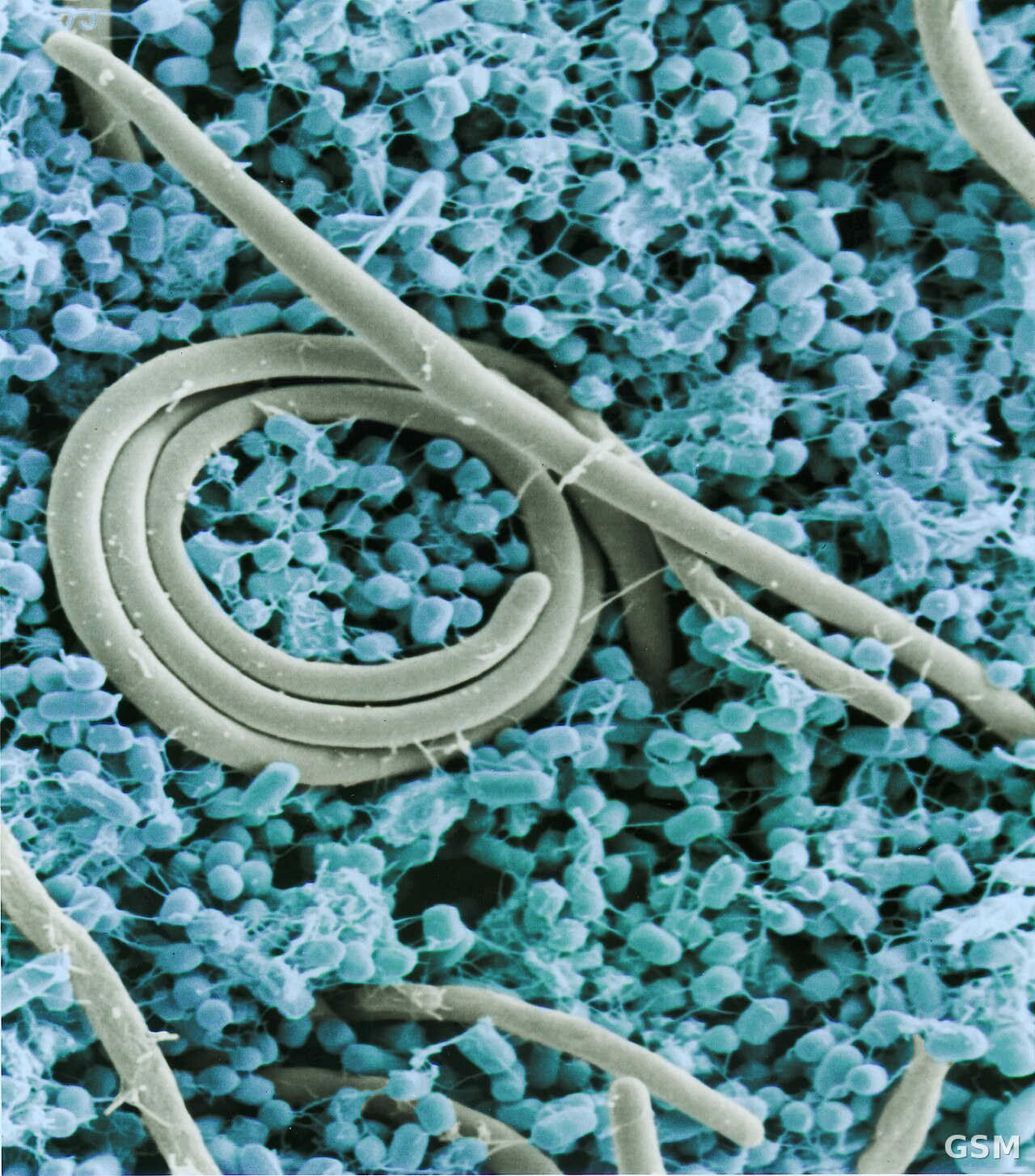
Cutaneous Aspergillosis Clusters Hit Two NICUs: Five Extremely Preterm Infants Infected, One Death, CDC Reports
The U.S. Centers for Disease Control and Prevention (CDC) reported two clusters of cutaneous aspergillosis in neonatal intensive care units (NICUs) in its Morbidity and Mortality Weekly Report (MMWR) on November 5. During 2023-2024, level IV NICUs in Michigan and New York each detected a cluster, with five extremely preterm infants (gestational age under 28 weeks) diagnosed in total. One infant in Michigan died; all three infants in New York survived. Neither investigation identified a definitive environmental source.
The Michigan cluster occurred in October-November 2023. Two extremely preterm neonates born at under 24 weeks' gestation developed skin lesions in their first week of life, and cultures from both grew Aspergillus fumigatus. Both received amphotericin B; the first infant died in the second week of life, with death attributed to septic shock from aspergillosis, Pseudomonas infection and extreme prematurity. An air sample collected near a corridor used for linen transport also grew A. fumigatus. The facility converted negative-pressure areas in the shared nursery to positive pressure to reduce airborne spore transmission, repaired plumbing leaks and flooring, and designated a separate loading dock for clean linens and supplies.
The New York cluster occurred in July-September 2024. Three extremely preterm neonates were diagnosed, born at 24-25 weeks, 24-25 weeks and under 24 weeks of gestation. Isolates were A. fumigatus in one case and the closely related Aspergillus quadrilineatus in two. The three infants were treated with micafungin, voriconazole plus amphotericin B, and amphotericin B, respectively, and all survived. That facility did not conduct environmental sampling; its measures included added linen-dryness checks, replacing some laundered linens with sterile towels, disposable positioning devices for extremely preterm neonates, sterile gloves for care during the first four days of life, and proactive replacement of high-efficiency particulate air filters. As of September 1, 2026, no additional cases had been identified in either NICU.
CDC says cutaneous aspergillosis can be life-threatening in extremely preterm neonates, whose immune defenses are immature, whose skin barriers are underdeveloped, and who are frequently exposed to invasive medical devices. Clinicians should consider the infection when extremely preterm infants develop new red, ulcerated, necrotic or otherwise suspicious skin lesions, obtain prompt cultures or biopsies with species-level identification, and coordinate assessment with infection prevention staff, facility engineers and public health agencies; mitigation should not wait for a definitive source to be found.
Source: U.S. Centers for Disease Control and Prevention
Published by GSM · USA (original Chinese edition)
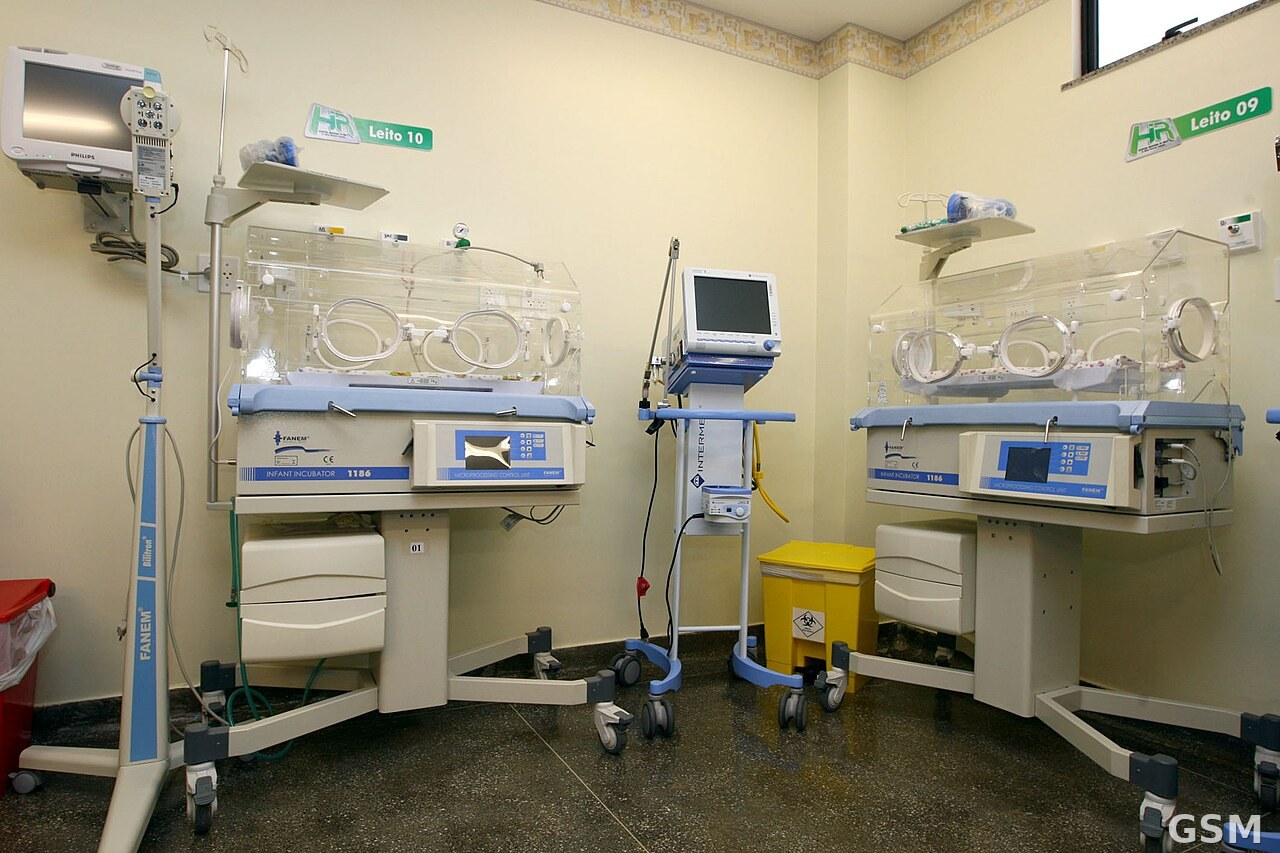
Photo: 图:新生儿重症监护室保育箱资料图(非涉事医院)。摄影 Manu Dias / AGECOM,CC BY 2.0,来源 Wikimedia Commons。 / Photo: Infant incubators in a neonatal intensive care unit (representative image; not a facility named in the report). Photo by Manu Dias / AGECOM, CC BY 2.0, via Wikimedia Commons.