Andes Virus Outbreak on Cruise Ship Killed 3: CDC Reports 88 U.S. Contacts Monitored With No Secondary Cases
The U.S. Centers for Disease Control and Prevention (CDC) published an investigation report in its Morbidity and Mortality Weekly Report (MMWR) on November 5: on May 4, 2026, CDC was notified of seven cases of severe acute respiratory illness, including three deaths, aboard a cruise ship in the Atlantic Ocean, later confirmed to be caused by Andes virus (ANDV). All 88 U.S. resident contacts linked to the ship completed 42 days of monitoring, and no secondary infections were identified.
The ship had departed from Argentina with 147 people on board, 88 passengers and 59 crew members of 23 nationalities. The index patient developed symptoms on April 3; the first patients had fever and gastrointestinal symptoms, and four rapidly progressed to respiratory failure and shock. One critically ill passenger was medically evacuated to South Africa on April 27, and testing there confirmed ANDV infection on May 5. Passengers were advised to remain in their cabins and maximize distancing; the vessel docked at Tenerife in Spain's Canary Islands on May 10, where the remaining passengers disembarked for medical and public health assistance.
The 88 U.S. contacts lived in 27 jurisdictions. Twenty-eight were cruise passengers: 10 had disembarked before ANDV infection was confirmed on board, and the other 18 left Tenerife on May 10 and arrived in the United States on May 11 aboard a U.S. Department of State chartered flight, and were taken to the National Quarantine Unit at the University of Nebraska Medical Center in Omaha, Nebraska, for assessment and monitoring. The other 60 contacts had shared two April 25 flights, from Saint Helena to Johannesburg, South Africa, and from Johannesburg to Amsterdam, Netherlands, with a symptomatic passenger later confirmed to have ANDV infection. All 88 contacts completed 42 days of monitoring, the upper end of the known ANDV incubation period, and all 127 PCR tests were negative. Worldwide, local health authorities assessed and monitored about 653 potentially exposed people from 33 countries.
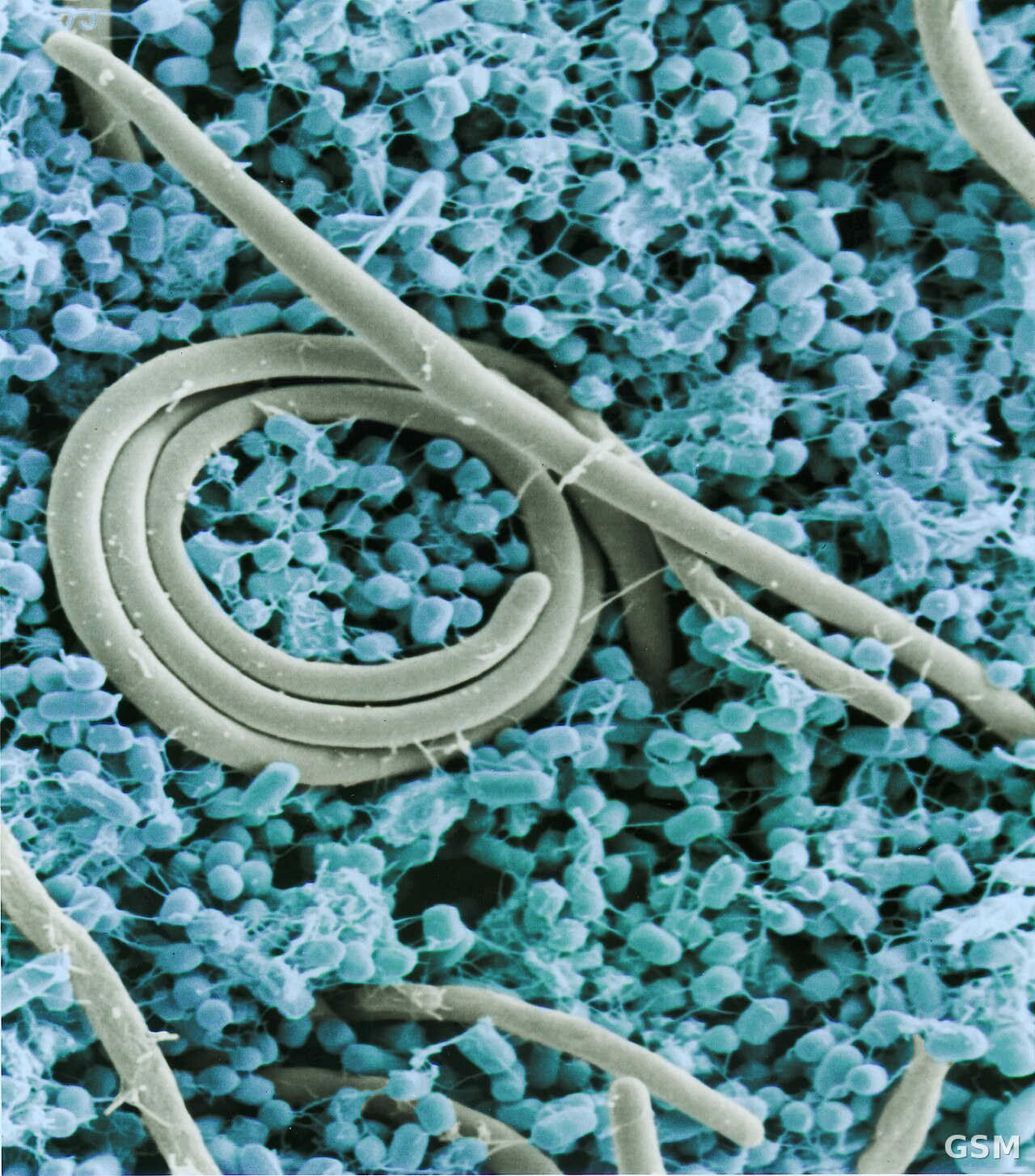
CDC says Andes virus is endemic to parts of South America and is the only hantavirus known to spread person to person, through close prolonged contact with a symptomatic person or exposure to their body fluids. Its incubation period is 4 to 42 days, and infection can cause hantavirus pulmonary syndrome, which has a reported case-fatality rate of about 40 percent; there is no specific treatment or vaccine. The United States had previously reported one documented imported ANDV case, in 2018. CDC says clinicians should consider ANDV infection in patients with compatible illness after travel to areas where the virus is endemic or exposure to a person with suspected or confirmed infection, and promptly notify public health authorities.
Source: U.S. Centers for Disease Control and Prevention
Published by GSM · USA (original Chinese edition)
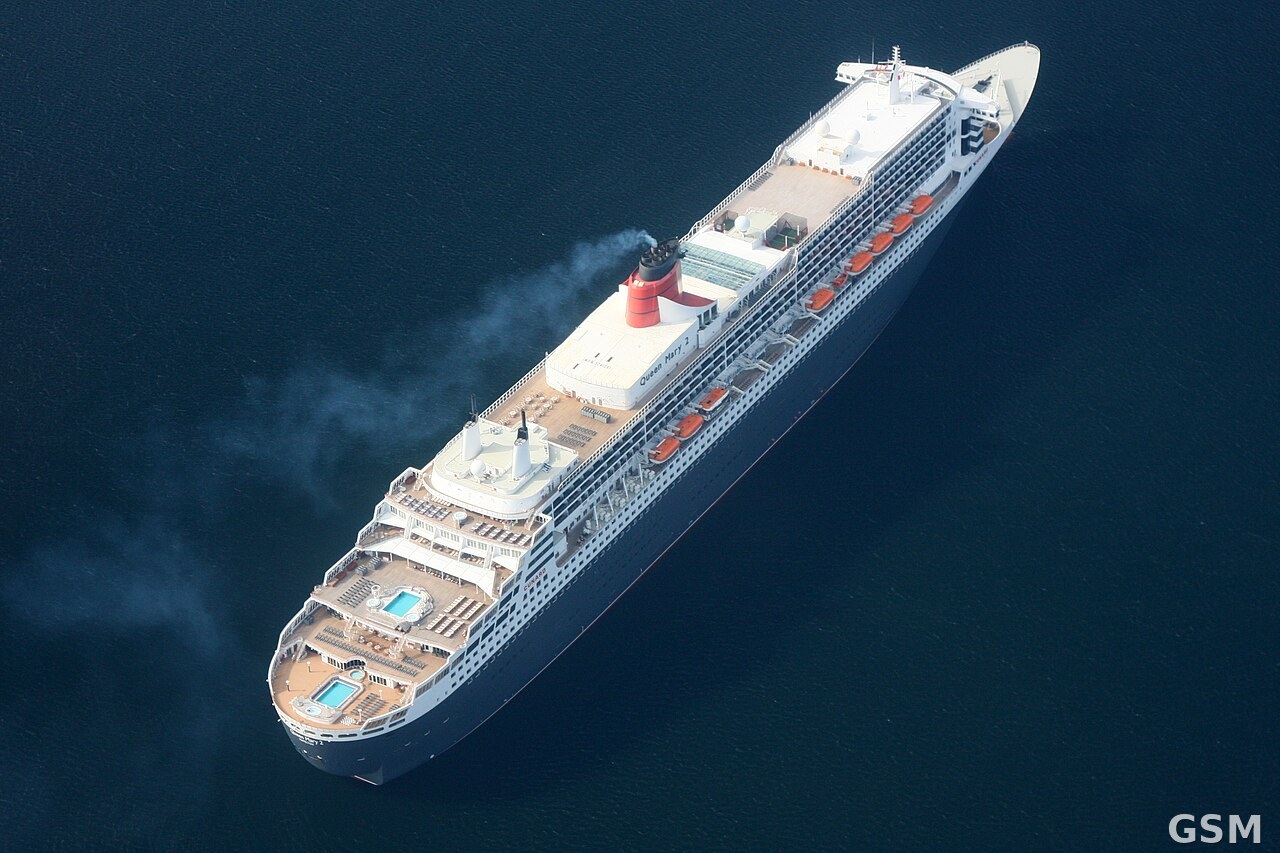
Photo: 图:大型邮轮在海上航行资料图(非涉事邮轮)。摄影 Ken Heaton,CC BY-SA 4.0,来源 Wikimedia Commons。 / Photo: A large cruise ship at sea (representative image; not the vessel involved). Photo by Ken Heaton, CC BY-SA 4.0, via Wikimedia Commons.