
Follow-up: Saudi Ex-OpenAI Engineer Pleads Not Guilty to Bugging Executive Conference Room, Faces Up to Five Years

SAN FRANCISCO — Abdulrahman Alfozan, the 35-year-old Saudi national accused of bugging a restricted OpenAI conference room, pleaded not guilty on November 6 in federal court in San Francisco. He faces a single count of intercepting oral communications, which carries a maximum penalty of five years in prison and a $250,000 fine if he is convicted.
Alfozan entered the plea through his lawyer before US Magistrate Judge Peter Kang. He has been held in federal custody without bail since his arrest on October 9, and is next scheduled to appear in court on November 17. A grand jury indicted him on October 27. A charge is not a conviction, and he is presumed innocent unless and until proven guilty in court.
Prosecutors allege that Alfozan wrapped a thumb-sized circuit board and microphone in toilet paper and inserted the device behind a wall-mounted television in an executive conference room at OpenAI's offices around September 28, intending to capture sensitive internal discussions. He had worked on OpenAI's product team since July 2025 and was fired on the day of his arrest, shortly before he was set to leave the country.
GSM previously reported the Justice Department's October 13 announcement of his arrest and charge, and prosecutors' request that he remain detained as a flight risk. The not guilty plea is the case's next step toward trial.
Related: OpenAI Engineer Charged with Planting Hidden Recording Device in Executive Conference Room
(Source: The Wall Street Journal)
Source: The Wall Street Journal
Published by GSM · USA (original Chinese edition)
Photo: OpenAI总部所在的旧金山Pioneer大楼,HaeB摄,Wikimedia Commons,CC BY-SA 4.0
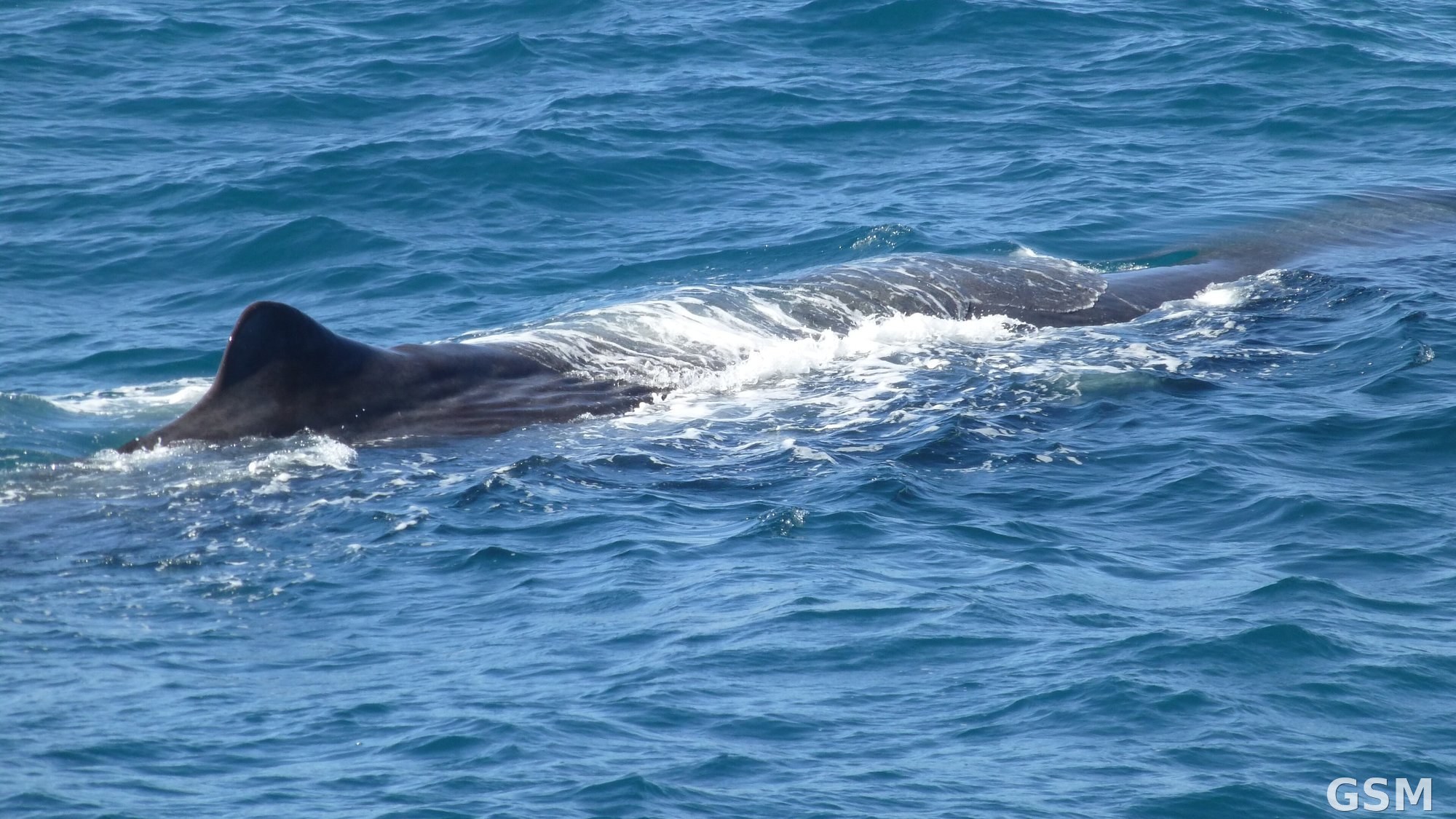 New Extinct Pygmy Sperm Whale From Peru's Pisco Formation, 6.3–5.6 Million Years Old: At About 2.7 Metres, Its Skull Shows the Most Extreme Asymmetry Known in A2026-11-09
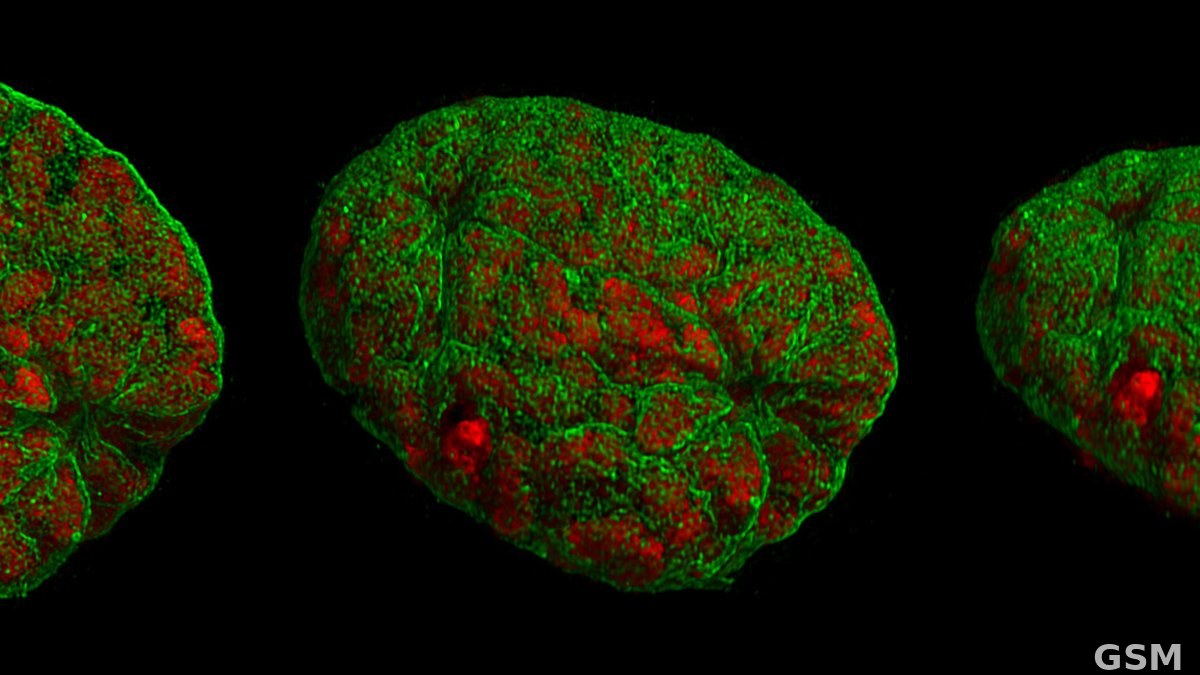 Science Advances Study: Embryos Protect the Vulnerable Y Chromosome With Finely Balanced Spindle Forces; Under Mild Stress, Y Errors Are 2.5 Times Less Likely t2026-11-09