
Science Advances Study: Embryos Protect the Vulnerable Y Chromosome With Finely Balanced Spindle Forces; Under Mild Stress, Y Errors Are 2.5 Times Less Likely t
A study from the Francis Crick Institute in the United Kingdom has shown how embryos protect the easily lost Y chromosome in the earliest days of development. The paper, by James Turner, who runs the Crick's Sex Chromosome Biology Laboratory, and Agata Zielinska, a former postdoctoral researcher in the lab, was published in Science Advances and reported by Phys.org on November 9.
The Y chromosome confers male sex and plays a big role in development and health despite its small size; as cells age they frequently lose their Y chromosomes, which is associated with conditions like cancer, Alzheimer's disease and heart disease. Turner said the Y chromosome is vulnerable as cells divide, with consequences for health, but what happens if it is lost in the earliest days of development, when it needs to switch on male sex in the embryo, was unclear. Embryos do not usually survive if a chromosome is lost early in development, but individuals can have Turner syndrome, in which most or some cells have only one X chromosome, affecting growth and fertility and causing potential cardiovascular, renal and autoimmune complications. Turner syndrome is often thought to be linked to loss of the second X, but it can also result from loss of a Y, which Turner believes may happen more often than previously thought.
Mechanistically, before cell division, two copies of each chromosome line up in the middle of the cell and spindles pull them apart via the centromere landing pad; the Y chromosome has unusually low levels of a protein that forms the foundations of that landing pad, starting at a disadvantage. Zielinska fluorescently labelled chromosomes in mouse zygotes during their first division and recorded them duplicating, lining up and splitting under a microscope. In normal conditions, most Y chromosome pairs separated in the first division, helped by safeguards including finely balanced spindle forces that put the Y under less tension than other chromosomes. But if cells were even mildly stressed, simulated by weakening the spindles, the Y pairs often failed to line up and floated around the spindle, and embryos were 2.5 times less likely to correct this error before dividing than they were for other chromosomes, Zielinska said. She then combined an XY and an XO cell into a mosaic embryo model: those embryos were smaller than fully XY embryos, but over time the XY cells started to outcompete the XO cells, gradually shifting the balance toward cells with both sex chromosomes. Turner concluded that the embryo has a remarkable ability to buffer against sex chromosome loss despite the Y's vulnerability. The lab now aims to identify stresses in the body that make it harder for the Y chromosome to complete its crucial first division.
—-
Source: Science Advances paper
Published by GSM · USA (original Chinese edition)
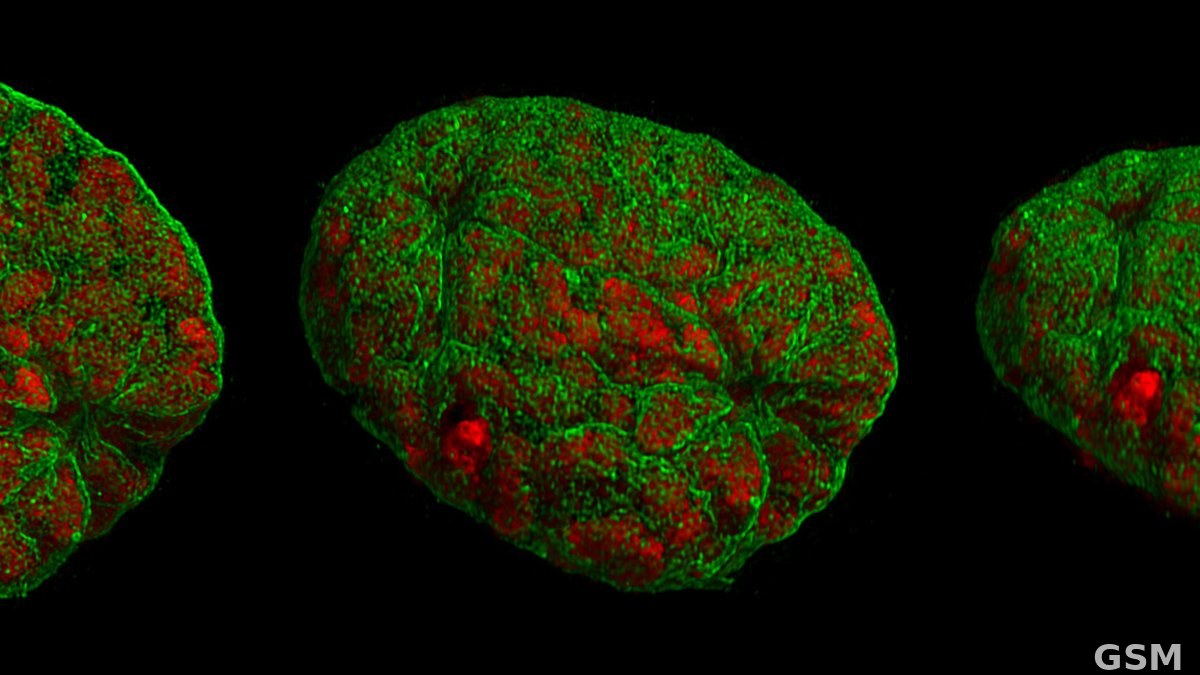
Photo: 细胞核显微图像(资料图)。(Wikimedia Commons/CC BY-SA 3.0)|A cell nucleus under the microscope (file photo). (Wikimedia Commons / CC BY-SA 3.0)
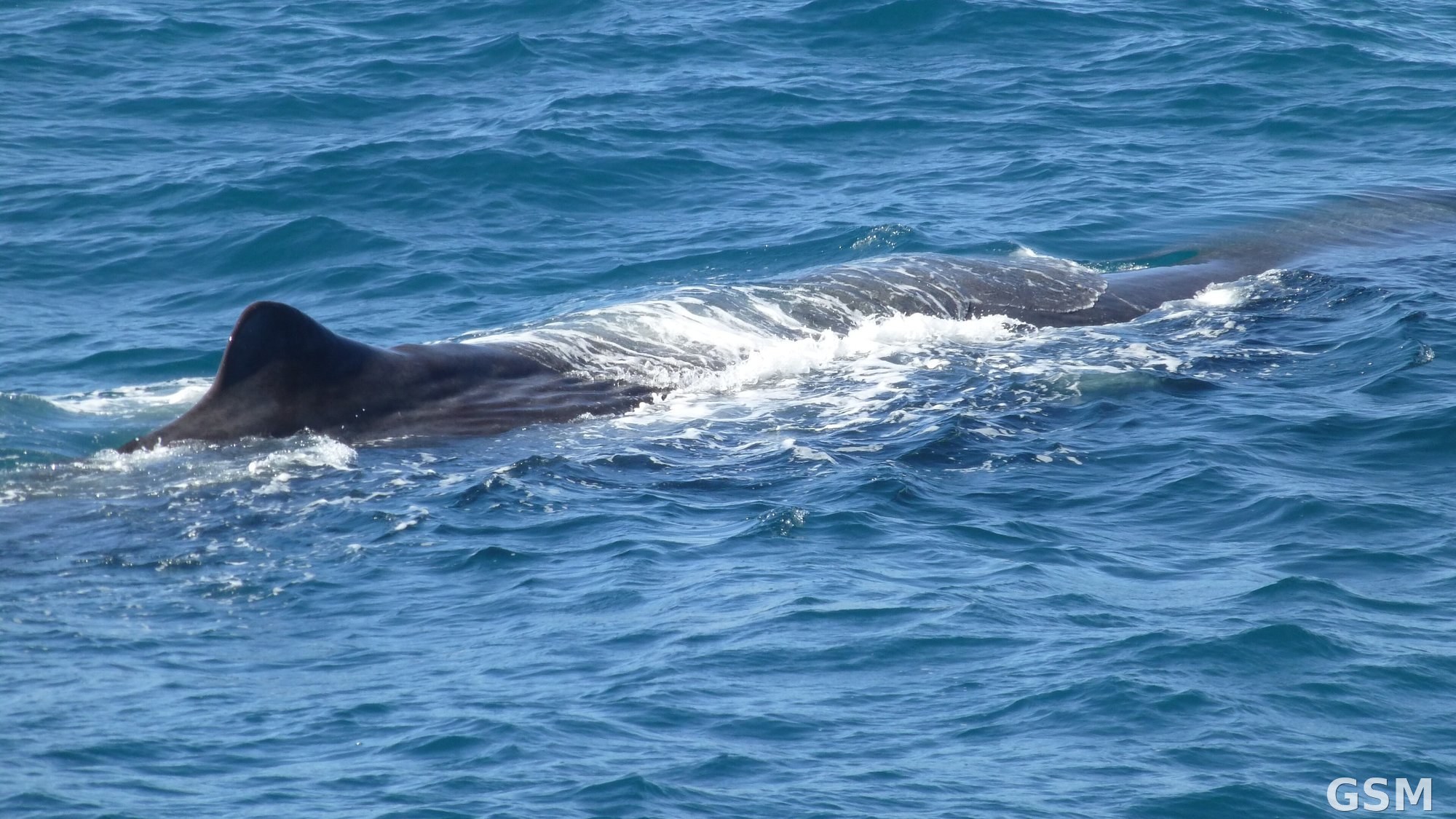 New Extinct Pygmy Sperm Whale From Peru's Pisco Formation, 6.3–5.6 Million Years Old: At About 2.7 Metres, Its Skull Shows the Most Extreme Asymmetry Known in A2026-11-09
 Nature Study: A PhyC–VRN1 Gene Pairing Underlies Barley Double Cropping; Across 505 Varieties and 80 Years of Breeding, Over 60% of Autumn-Sown Varieties Since2026-11-09