
Rose Coral Colony Mapped at 1.56 Kilometers Along Outer Reef of Cocos (Keeling) Islands: 36.5 Meters Average Width and 56,940 Square Meters, Among the Largest K
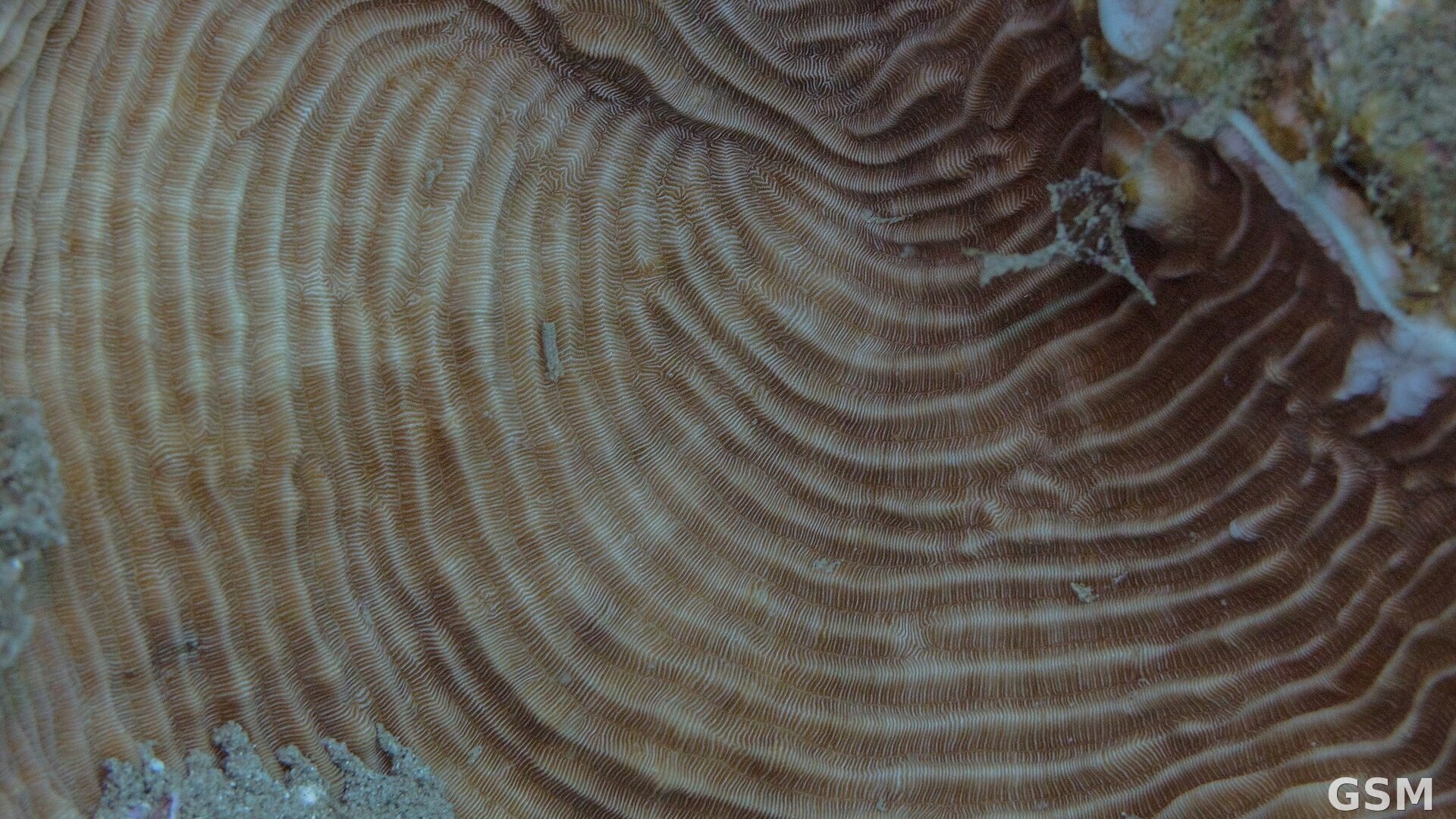
Researchers have identified a huge coral colony stretching more than 1.5 kilometers along the outer reef of the Cocos (Keeling) Islands, making it one of the largest known coral colonies ever recorded, according to a November 8 release from the Queensland Museum, whose scientists are part of the research team.
The rose coral (Pachyseris) colony extends 1.56 kilometers in length, the equivalent of approximately 100 buses parked end to end, and occupies the outer reef slope between depths of 14 and 65 meters. It measures an average width of 36.5 meters, covering an area of 56,940 square meters, with additional sections extending a further 200 to 300 meters beyond the main colony.
Local dive operator Dieter Gerhard first spotted extensive areas of the coral more than 30 years ago, but it was not until researchers began mapping the reef that they realized how extensive the formation was and that the sections may be connected as one enormous colony. Lead researcher Dr. JP Hobbs of Adelaide University, working with researchers from the Queensland Museum and James Cook University, spent months mapping the coral, using GPS to mark his progress between dives; it took 12 dives to map the full extent of the colony.
The researchers are now using genetic testing to investigate whether the formation is one giant coral organism or multiple colonies that have fused together over time. The Queensland Museum said the discovery provides new insights into the unique coral communities of Australia's remote marine environments.
—-
Source: Paleoceanography and Paleoclimatology
Published by GSM · USA (original Chinese edition)
Photo: 加勒比海圣克罗伊岛外海的玫瑰珊瑚(Pachyseris)群落。(图/NOAA,Wikimedia Commons,公共领域)| A rose coral (Pachyseris) colony off St. Croix, Caribbean Sea. (Photo: NOAA, Wikimedia Commons, public domain)
 Nature Communications Study Shows DNA Binding Drives Ku70/Ku80 Dimerization, Exposing a Hidden Site That Lets APLF Bridge Broken DNA Ends2026-11-09
 University of Tokyo Team Uses High-Density Radiocarbon Dating to Reveal Hidden Earthquake Traces in Kumano Sea Sediments; 40-Centimeter Core Reaches Back to Abo2026-11-09