
Nature Communications Study Shows DNA Binding Drives Ku70/Ku80 Dimerization, Exposing a Hidden Site That Lets APLF Bridge Broken DNA Ends
OXFORD, United Kingdom — A study published on November 3 in Nature Communications has identified a key step in how cells repair DNA double-strand breaks: after binding DNA, the repair protein Ku70/Ku80 dimerizes, exposing a previously hidden binding site that allows another repair factor, APLF, to bridge the two broken DNA ends. The paper, by Raman van Wee, Sara De Bragança, Eva M. Martín-Cuevas and co-authors from institutions including the University of Oxford's Kavli Institute for Nanoscience Discovery and Department of Chemistry and Spain's Centro Nacional de Biotecnología (CNB-CSIC) and Spanish National Cancer Research Center (CNIO), lists Fernando Moreno-Herrero and Philipp Kukura as corresponding authors.
The abstract notes that repair of double-strand breaks via non-homologous end joining requires the synapsis of DNA ends. APLF is emerging as an important repair factor capable of forming synaptic bridges in the presence of the Ku70/Ku80 heterodimer; however, only a single one-to-one interaction between Ku70/Ku80 and APLF had been reported to date, which is fundamentally insufficient for synapsis, and how APLF-mediated bridging of Ku70/Ku80 heterodimers is prevented in the absence of double-strand breaks had remained unclear.
The study's answer is DNA-driven dimerization: DNA binding drives Ku70/Ku80 heterodimers to pair with each other, regulating the synapsis of double-strand breaks by APLF. The paper was received on January 20, 2026, accepted on October 2, 2026 and published on November 3, 2026, as an open-access article.
—-
Source: Nature Communications
Published by GSM · USA (original Chinese edition)
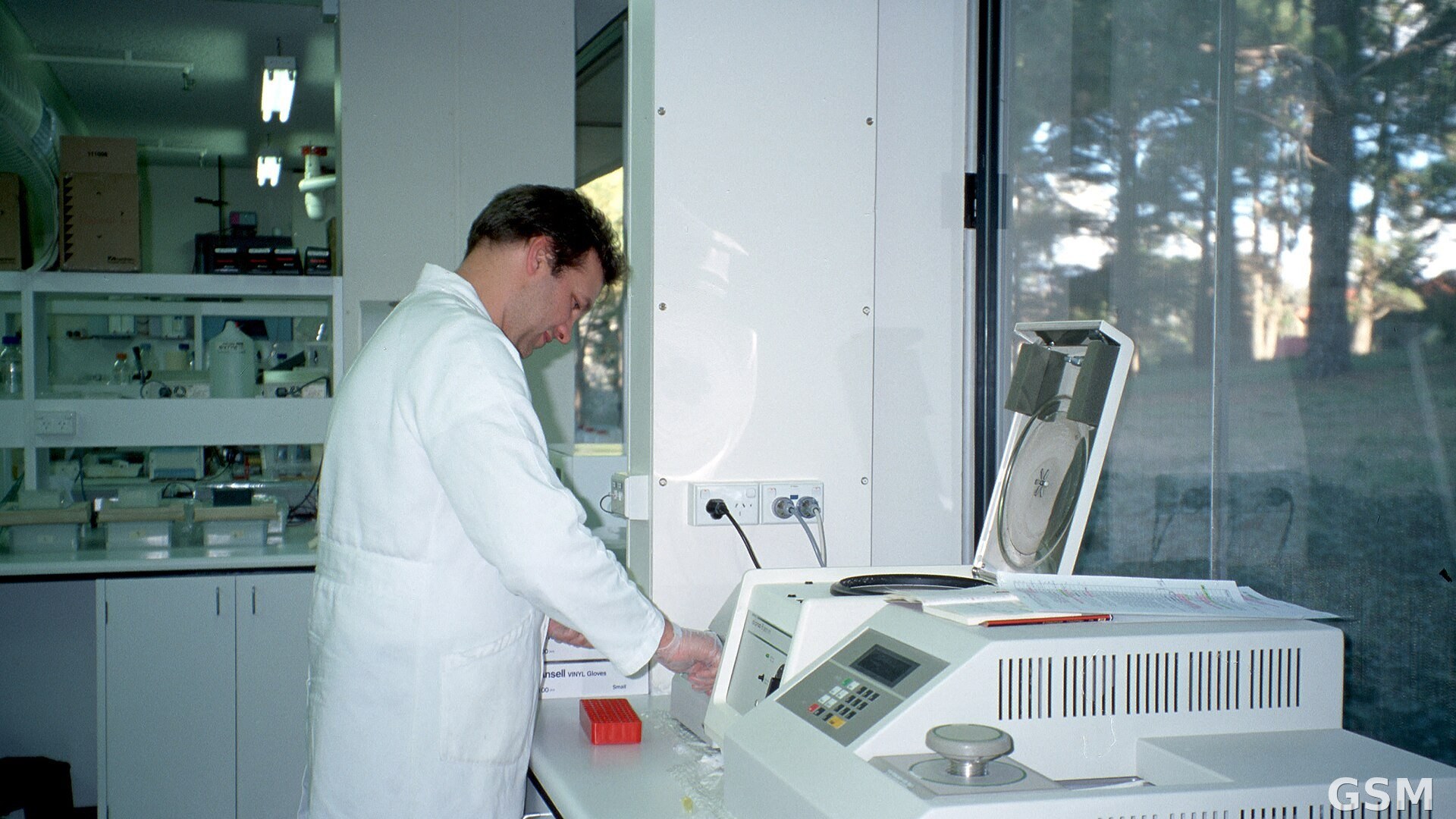
Photo: 研究人员在实验室进行 DNA 样本分析(示意)。(图/美国国家癌症研究所 NCI,Wikimedia Commons,公共领域)| A researcher analyzing DNA samples in a laboratory (illustrative). (Photo: National Cancer Institute, Wikimedia Commons, public domain)
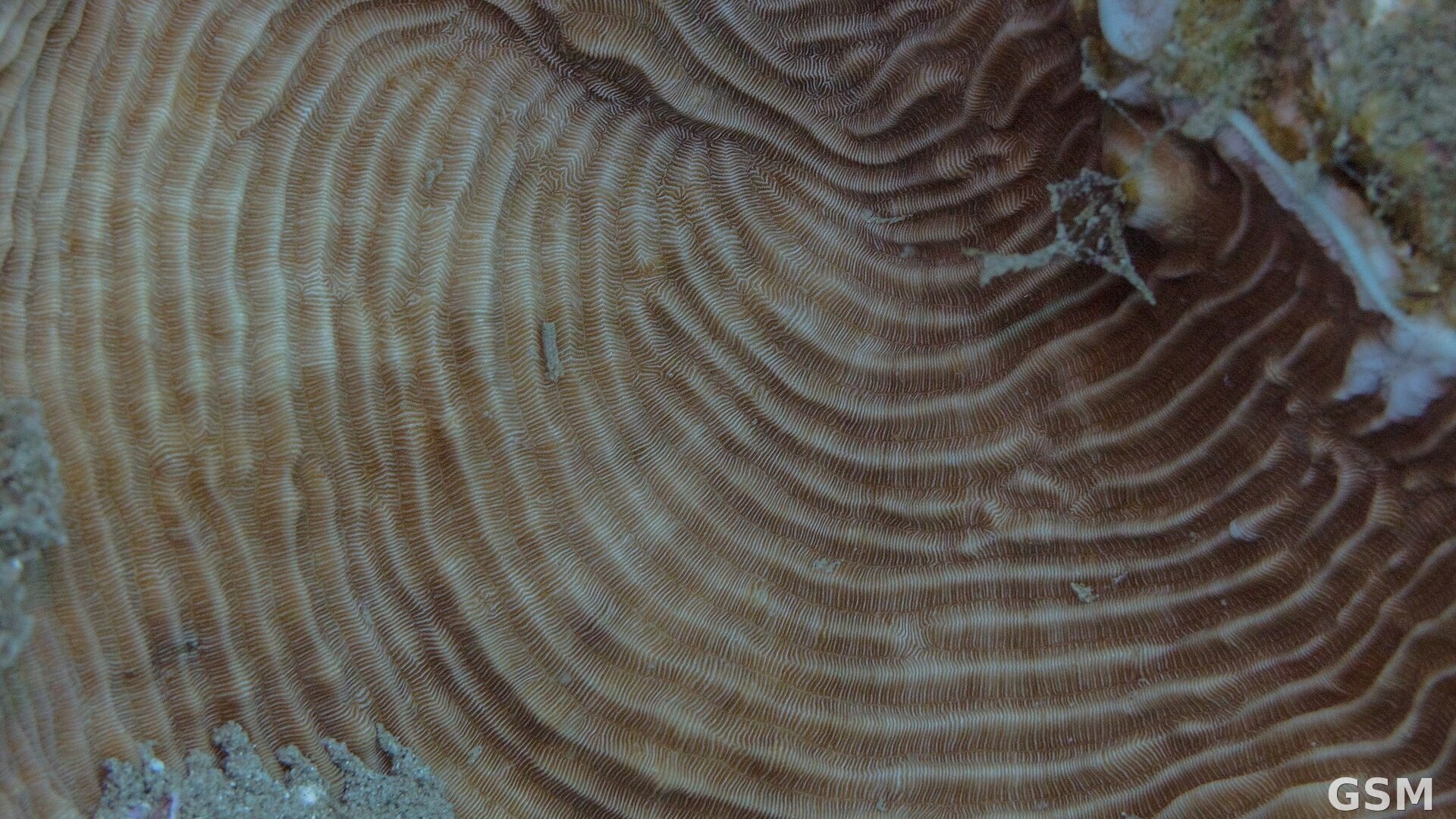 Rose Coral Colony Mapped at 1.56 Kilometers Along Outer Reef of Cocos (Keeling) Islands: 36.5 Meters Average Width and 56,940 Square Meters, Among the Largest K2026-11-09
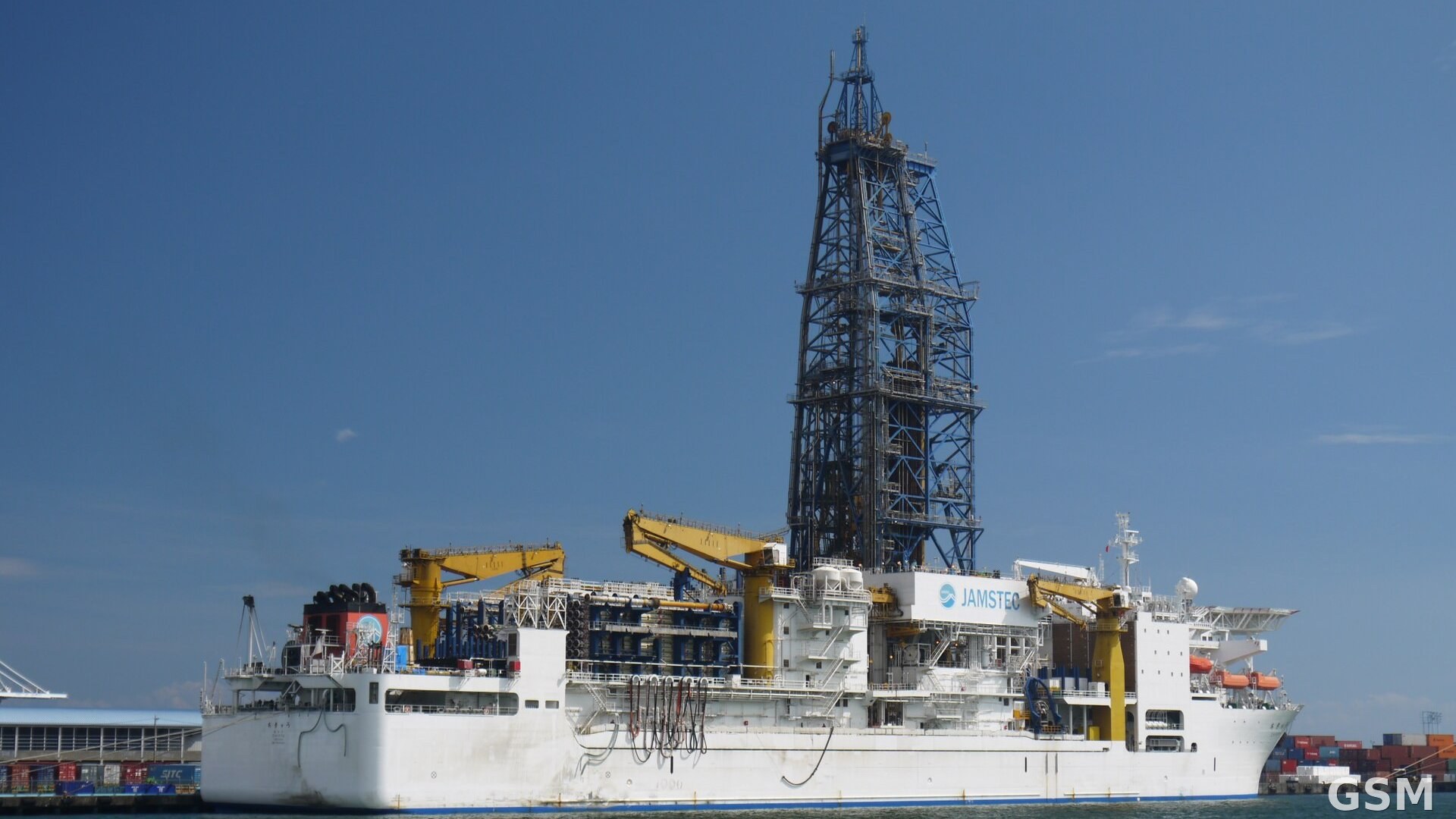 University of Tokyo Team Uses High-Density Radiocarbon Dating to Reveal Hidden Earthquake Traces in Kumano Sea Sediments; 40-Centimeter Core Reaches Back to Abo2026-11-09