
Hubble Study of 37 Nearby Dwarf Galaxies Finds the Missing Oxygen: Galaxies Keep Only About 11% of the Oxygen Their Stars Made, Retaining Between 4% and 25%
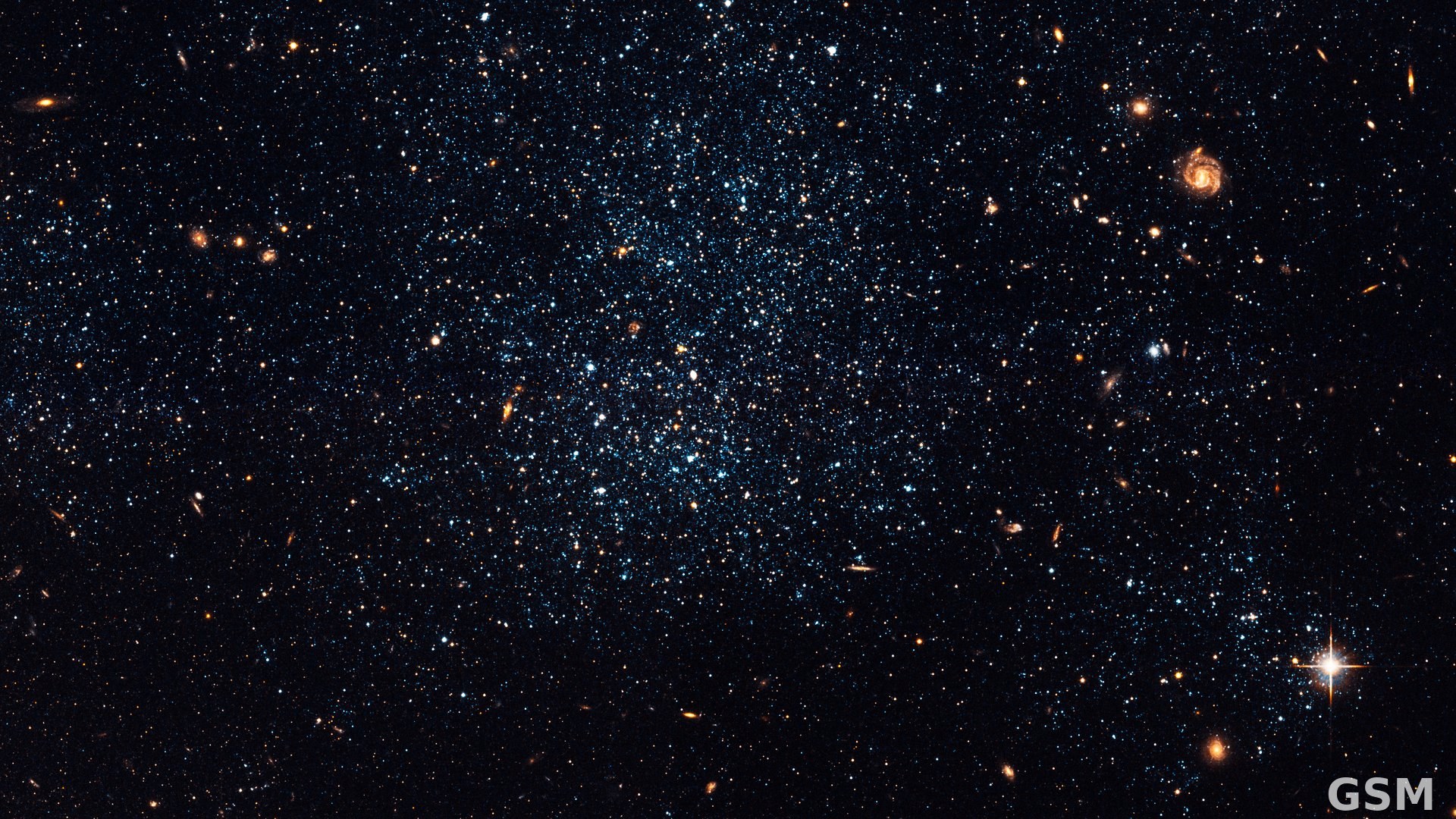
BALTIMORE, Maryland — Researchers using NASA's Hubble Space Telescope studied 37 nearby dwarf galaxies and found that much of the oxygen their stars are estimated to have produced is missing. The work, by Kristen B. W. McQuinn and co-authors, was published in The Astrophysical Journal under the title "GLOW. II. A Census of Oxygen in Low-mass Galaxies," and the Space Telescope Science Institute issued a release on November 2.
The dwarf galaxies lie within 22 million light-years of Earth and contain from a few thousand to hundreds of millions of stars each. Comparing estimates of how much oxygen the galaxies' stars had made over their lifetimes with the amount remaining in the galaxies' stars, gas and dust, the team found the galaxies retained between 4% and 25% of the oxygen, with an average of about 11%. Oxygen, the most abundant element in the universe after hydrogen and helium, is relatively easy to detect and measure, making it a tracer for how elements made by stars are distributed inside stars, in the gas between stars and in the space between galaxies. The team used archival Hubble optical imaging to resolve individual stars and reconstruct star-formation histories, combined with data from NASA's retired Spitzer Space Telescope and the ground-based Very Large Array and Australia Telescope Compact Array.
The study concluded that energy from massive stars and galactic winds unleashed by supernovae are more effective at removing oxygen from low-mass galaxies than current models predict. Grace Telford, an assistant professor at the University of Utah and a co-investigator, said the oxygen must have been ejected, which requires energy from massive stars and supernova explosions to drive material out of the host galaxies and into the space between galaxies. McQuinn, who leads the GLOW project and serves as mission head of the Science Operations Center for NASA's Nancy Grace Roman Space Telescope at the Space Telescope Science Institute, said tracing how much oxygen gets made and how much is distributed inside and outside galaxies helps explain galaxy evolution and how galaxies enrich the intergalactic medium, and that she hopes to use Roman to find even smaller nearby galaxies for follow-up study with Hubble and the James Webb Space Telescope.
—-
Source: ESA/Hubble (official
Published by GSM · USA (original Chinese edition)
Photo: 哈勃望远镜拍摄的深空星系(资料图)。(Wikimedia Commons/公共领域)|A deep-field galaxy image by Hubble (file photo). (Wikimedia Commons / public domain)
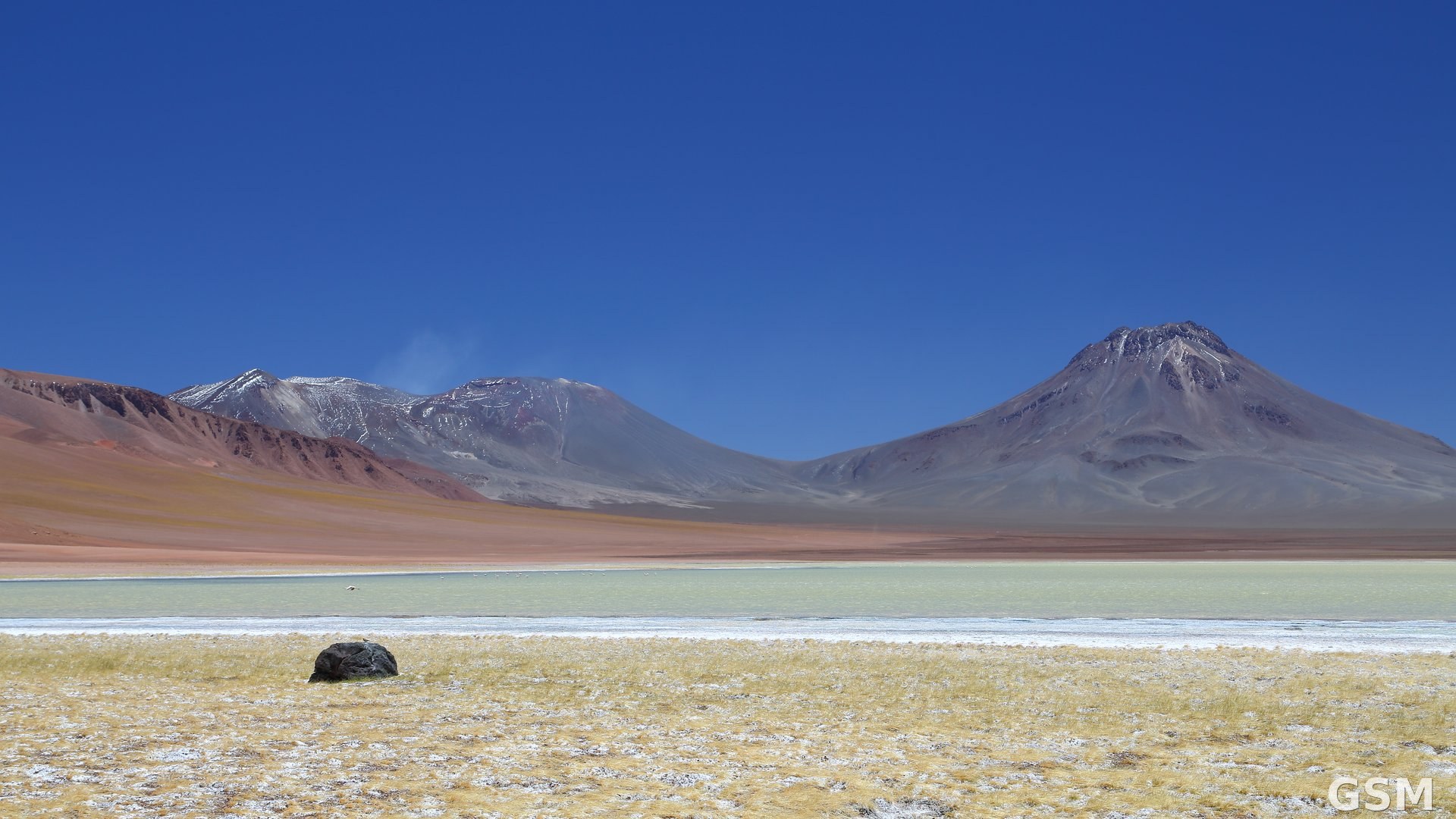 Nature Communications Study: Smallest Plagioclase Crystals From Seven Andean Volcanoes Share the Same Chemical Signature; Team Names the Pattern the 'Plagioclas2026-11-09
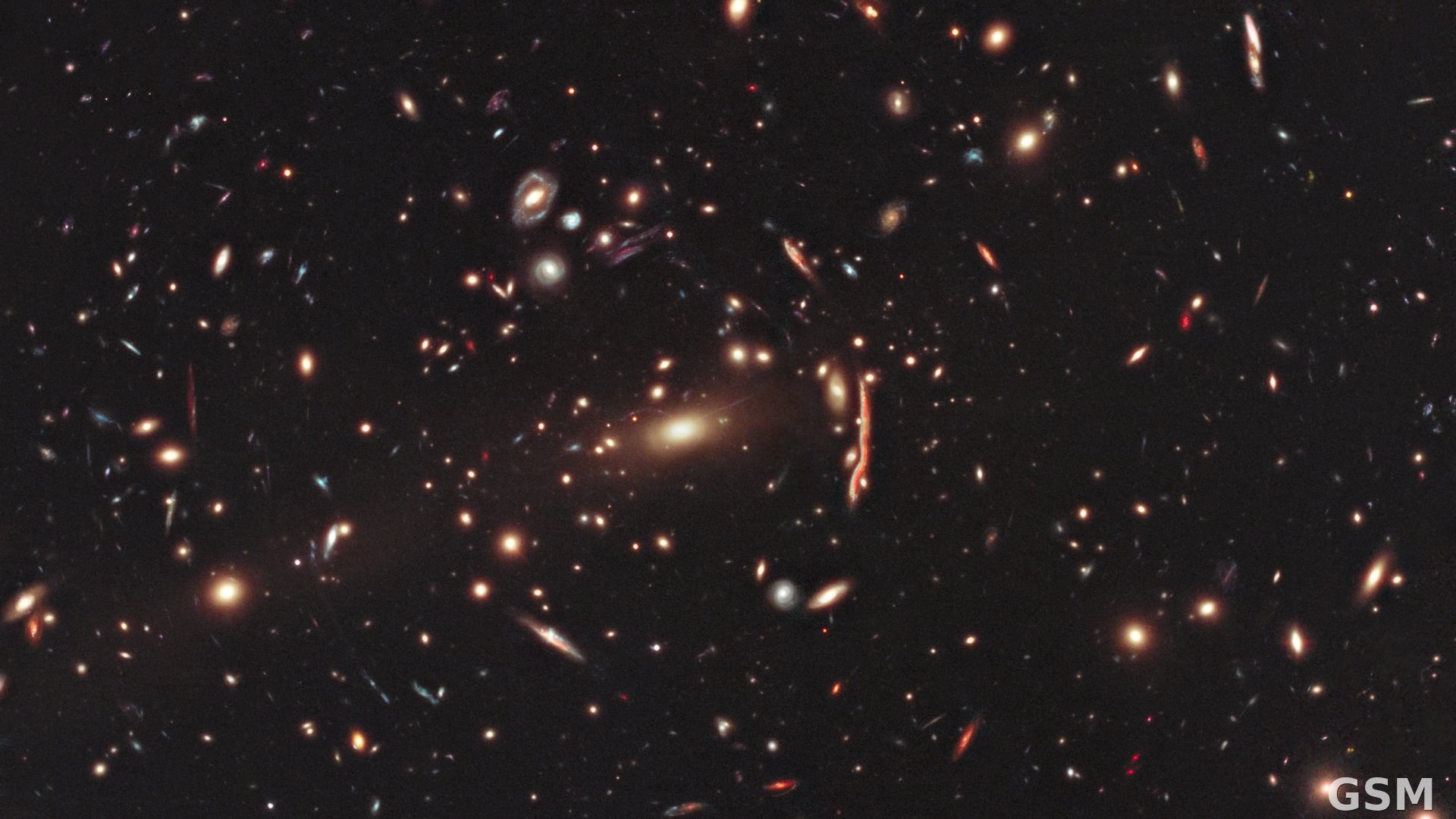 Webb Telescope Records 104 Magnified Stellar Events in the Dragon Galaxy About 6.5 Billion Light-Years Away, More Than Doubling the Previous Record of 44 in the2026-11-09