
Nature Communications Study: Smallest Plagioclase Crystals From Seven Andean Volcanoes Share the Same Chemical Signature; Team Names the Pattern the 'Plagioclas
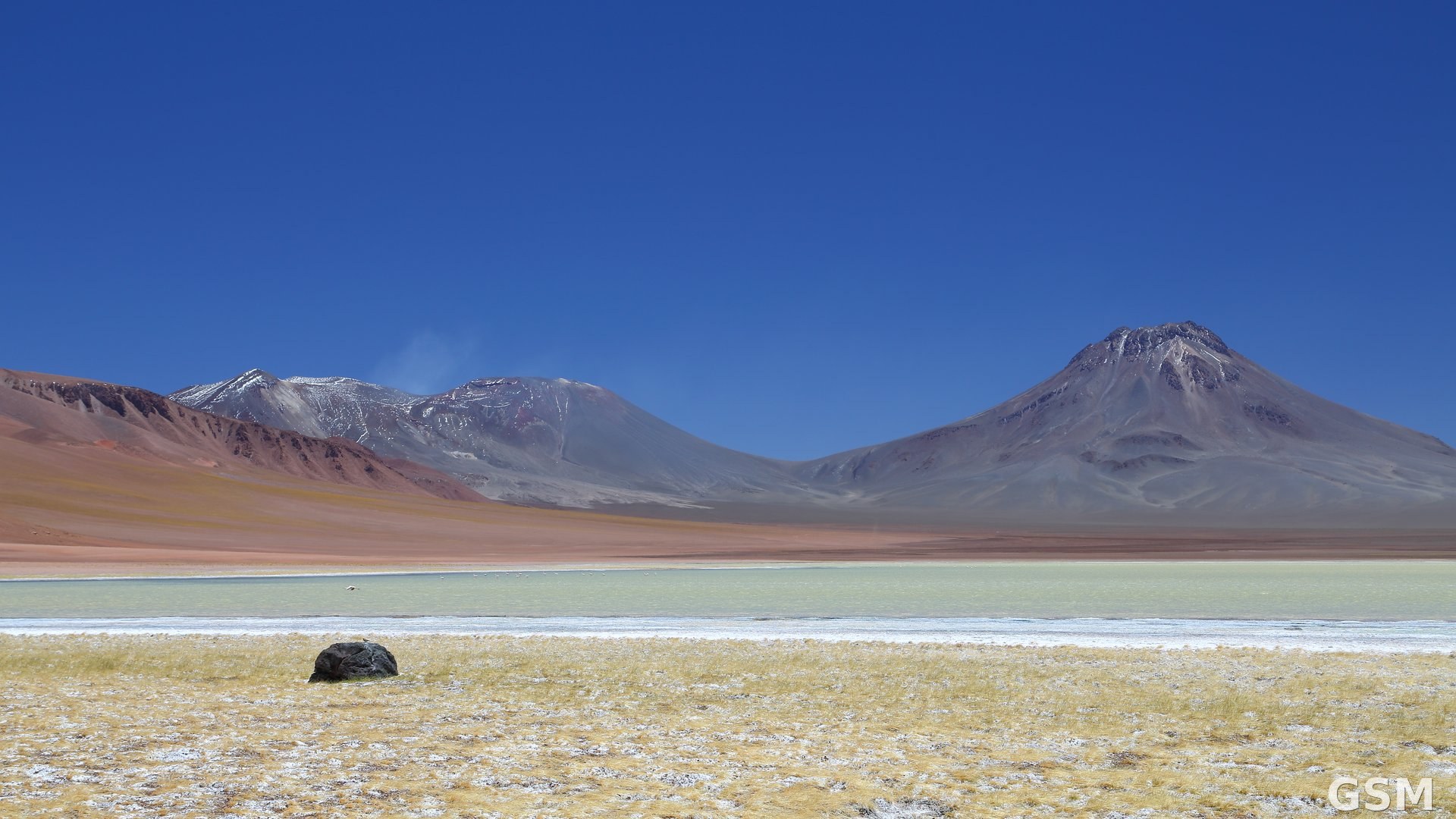
Researchers at the University of Queensland have shown that tiny plagioclase crystals in volcanic rocks record activity inside volcanoes and could provide clues to their ability to erupt. The work, led by Ph.D. candidate Daniela Parra-Encalada of the School of the Environment with associate professor Terese Ubide as senior author, was published in Nature Communications under the title "Crystal records of erupted vs. trapped magma in volcanic arcs."
Plagioclase grows in magma only a few kilometers below the surface, reacting to changes in temperature, water content and magma composition. Parra-Encalada said analyzing the chemistry of individual crystals rather than whole rocks allows researchers to reconstruct different stages of a volcano's history and identify the processes that occurred immediately before eruption, and that the smallest, newest crystals — just the width of a human hair — formed during the final stages of an eruption. The team examined thin sections of 28 representative rocks from seven volcanoes and two more ancient super-eruptions collected across a 230-kilometer (143-mile) stretch of the Central Andes in Chile and Argentina, analyzing and mapping the chemical composition of plagioclase microcrystals. The smallest crystals from Andean volcanoes of different ages, eruptive styles and activity levels had the same chemical signature, and comparison with datasets from other areas around the Pacific Ring of Fire showed similar characteristics. Modeling showed the signature was most likely linked to very hot magma from deeper underground pushing into a shallow magma reservoir, destabilizing the volcano's plumbing system and eventually triggering the eruption.
The team termed the newly identified geochemical pattern the "plagioclase eruptibility field" and will investigate whether it occurs in oceanic volcanoes. Ubide said future research could determine whether the chemical signature can identify volcanoes that warrant closer monitoring because they may be more prone to eruption, and that plagioclase crystals could also reveal how magma systems accumulate valuable metals such as copper and gold, creating new links between volcanology and critical minerals research.
—-
Source: Research paper
Published by GSM · USA (original Chinese edition)
Photo: 安第斯山脉火山(资料图)。(Wikimedia Commons)|An Andes volcano (file photo). (Wikimedia Commons)
 Hubble Study of 37 Nearby Dwarf Galaxies Finds the Missing Oxygen: Galaxies Keep Only About 11% of the Oxygen Their Stars Made, Retaining Between 4% and 25%2026-11-09
 Webb Telescope Records 104 Magnified Stellar Events in the Dragon Galaxy About 6.5 Billion Light-Years Away, More Than Doubling the Previous Record of 44 in the2026-11-09