
SpaceX Selects Qualcomm Dragonwing Platforms for Starlink Mobile's Nationwide Terrestrial 5G Network: QRU100 and QDU100 for Tens of Thousands of Sites, Rollout

Qualcomm Technologies announced on November 4 that SpaceX has selected its Dragonwing cellular infrastructure platforms to supply the radio and baseband technology for Starlink Mobile's planned nationwide terrestrial 5G network in the United States. The multi-year supply agreement envisages deployment beginning in 2027, with tens of thousands of sites to be deployed over the life of the agreement. Financial terms were not disclosed.
Under the announcement, Starlink Mobile will use the Dragonwing QRU100 radio unit platform and the QDU100 distributed unit platform, together with Qualcomm's commercial-grade Layer 1 software. The QRU100 provides integrated processing for massive MIMO radio units in a 64T64R configuration — 64 transmit and 64 receive paths — while the QDU100 performs latency-sensitive Layer 1 baseband processing in distributed units. SpaceX will build the base-station equipment around the platforms and, as network operator, will design, deploy and run the system and sell service under the Starlink Mobile name. Qualcomm described the agreement as the largest 5G infrastructure deal in its history.
Starlink Mobile has previously been known for satellite-to-phone service; the agreement adds a terrestrial layer to that network. The release gave no consumer launch date for the ground service, no pricing, no first cities and no per-site spectrum bands. A figure of roughly 80,000 sites circulating in press reports traces to earlier reporting on tower-access talks and is not part of Qualcomm's release; it is not used here.
—-
Source: Qualcomm (company
Published by GSM · USA (original Chinese edition)
Photo: Starlink 卫星(示意资料图)。(Wikimedia Commons/CC BY 4.0)|A Starlink satellite (illustrative file photo). (Wikimedia Commons / CC BY 4.0)
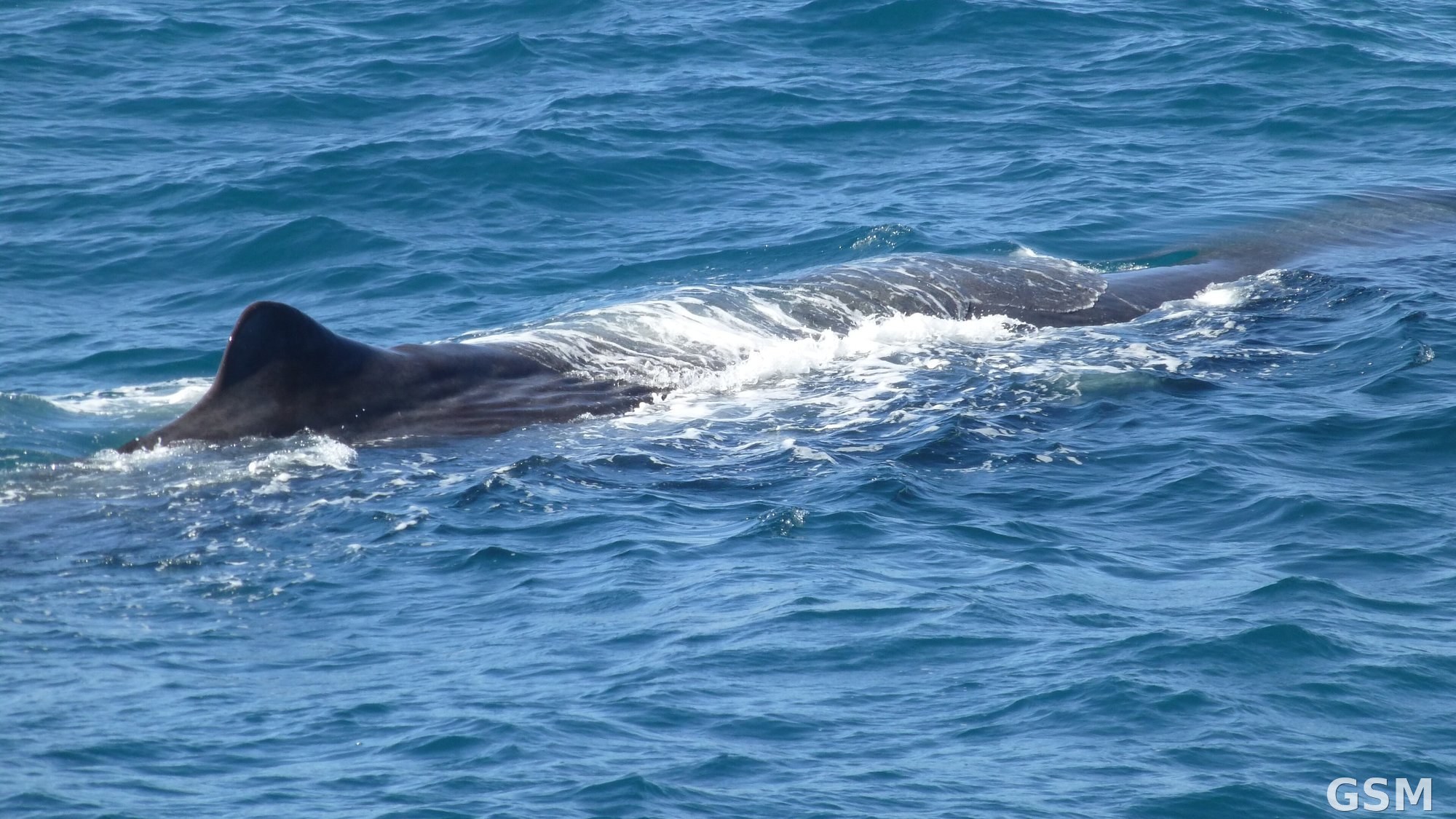 New Extinct Pygmy Sperm Whale From Peru's Pisco Formation, 6.3–5.6 Million Years Old: At About 2.7 Metres, Its Skull Shows the Most Extreme Asymmetry Known in A2026-11-09
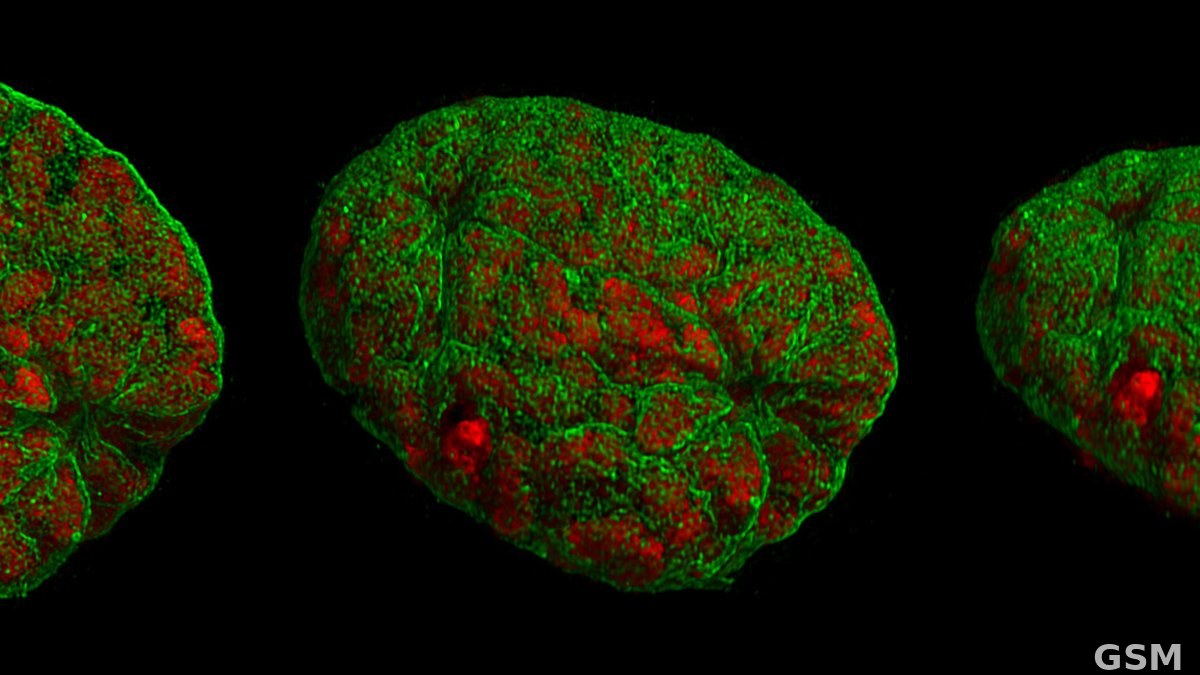 Science Advances Study: Embryos Protect the Vulnerable Y Chromosome With Finely Balanced Spindle Forces; Under Mild Stress, Y Errors Are 2.5 Times Less Likely t2026-11-09