
Science Study: Glacial Ocean Circulation Recoveries Took Centuries, Not Decades; Speleothem Annual Layers From China and India Put Transitions at About 180 Year
A study published in Science has found that abrupt recoveries of the Atlantic meridional overturning circulation (AMOC) during the last ice age took centuries rather than the decades previously inferred from ice-core records. The paper, by Xiyu Dong and colleagues, was reported by Phys.org on November 5, with material provided by Xi'an Jiaotong University.
The work concerns Dansgaard–Oeschger (DO) warm events, during which high-latitude Northern Hemisphere temperatures rose by 5–16 °C in close connection with a strengthening AMOC; the events are widely used as an analog for future AMOC change. Existing studies suggested AMOC strengthening during DO events occurred within decades, but that rested on Greenland ice-core δ¹⁸O records, a signal influenced by both temperature and moisture source. The new study instead used speleothem records that respond directly to AMOC-driven changes: two annually laminated speleothems from Cherrapunji Cave in northeast India and Shuixi Cave in southwest China, together with published records from Zhangjia Cave, yielded high-resolution δ¹⁸O series spanning events DO-1 to DO-8. The transitions consistently lasted longer than 100 years, averaging about 180 years — far longer than the decadal-scale shifts in Greenland ice-core δ¹⁸O records.
First author Xiyu Dong said the speleothems' clear annual laminae were essential: uranium–thorium dating gives precise absolute ages but cannot give reliable relative ages, whereas the annual layers precisely constrain how long each transition lasted and allow direct comparison with the Greenland records. Isotope-enabled climate modeling showed a two-stage process: retreat of sea ice in the northeastern North Atlantic first triggered a rapid adjustment of regional atmospheric circulation, causing the sharp rise in Greenland δ¹⁸O; the AMOC then strengthened further and sea ice in the northwestern North Atlantic continued to retreat, but atmospheric circulation modes and moisture transport pathways did not change significantly, so Greenland δ¹⁸O showed no further marked fluctuation — meaning the Asian monsoon speleothem records capture the full AMOC strengthening process. Professor Hai Cheng said the work clarifies the relationship between Asian speleothem δ¹⁸O, Greenland ice-core δ¹⁸O and the AMOC. Dong added that when discussing the risk of a future AMOC tipping point, researchers need to be clearer about how long such a transition would take. The authors also emphasized that more high-quality speleothem records of DO events, reconstructions of North Atlantic sea ice, and climate models integrating ice-sheet processes will be essential to further understanding of abrupt climate change.
—-
Source: Science paper
Published by GSM · USA (original Chinese edition)
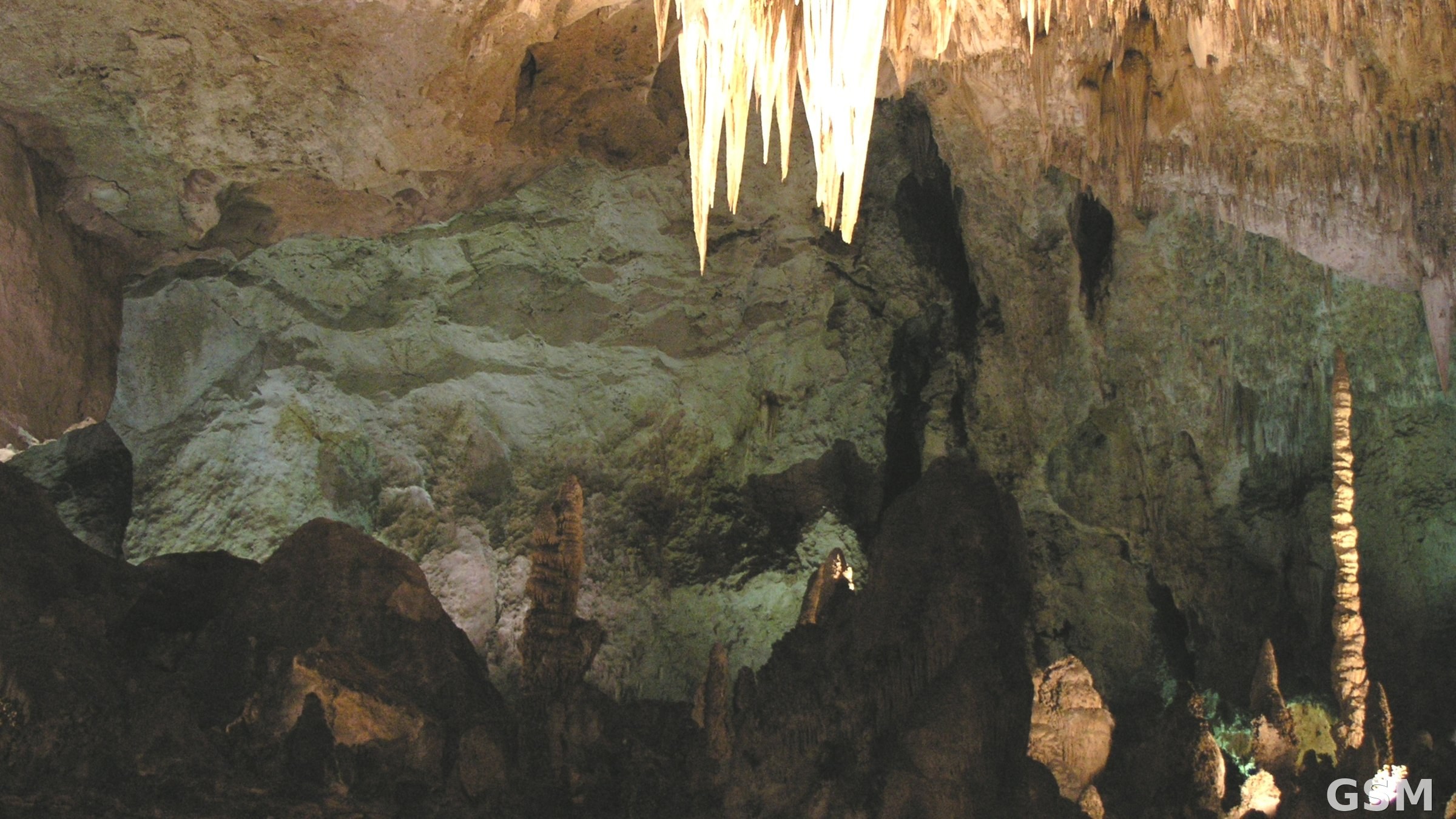
Photo: 洞穴内的石笋与钟乳石(资料图)。(Wikimedia Commons/CC BY-SA 3.0)|Stalagmites and stalactites inside a cave (file photo). (Wikimedia Commons / CC BY-SA 3.0)
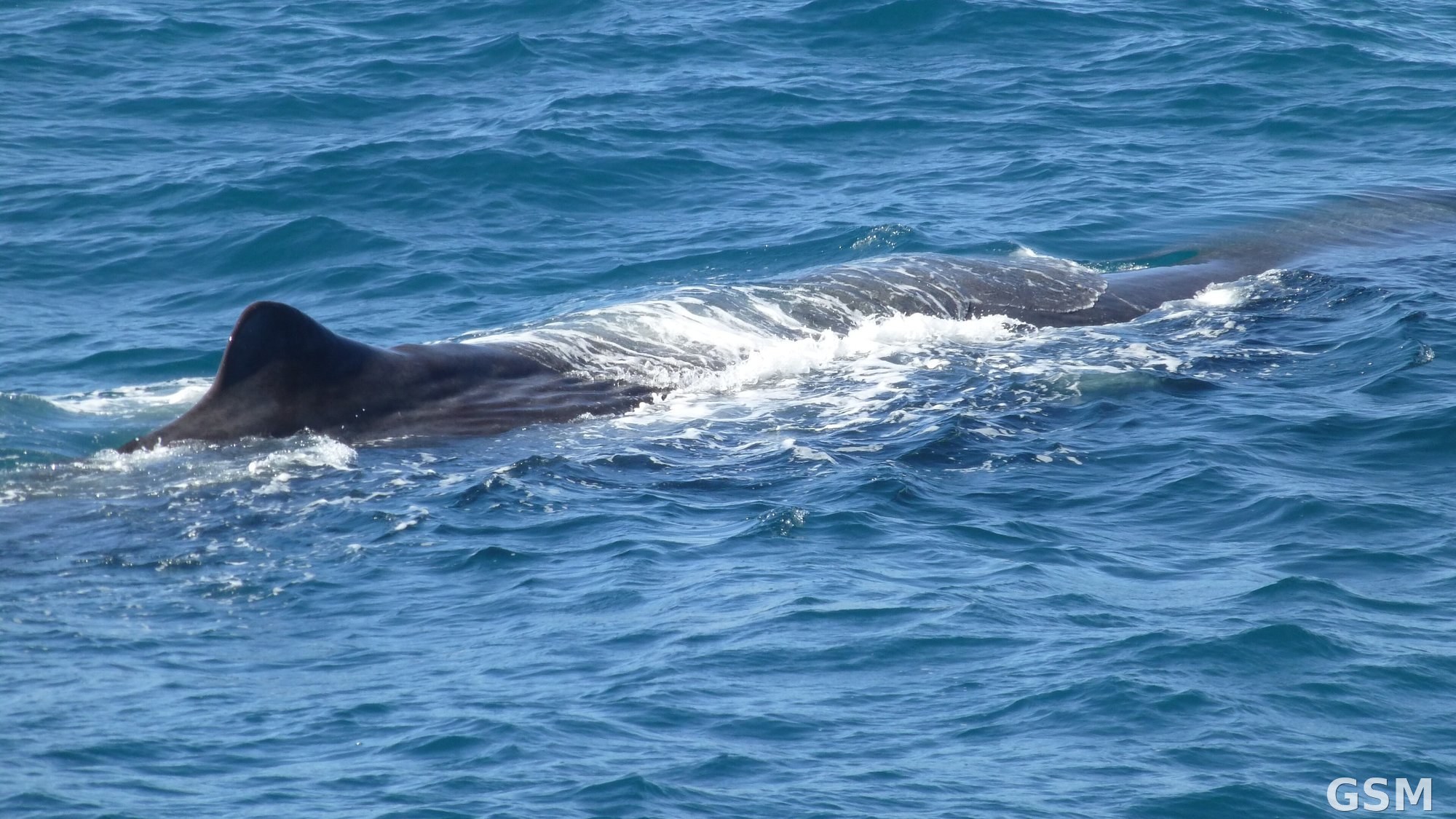 New Extinct Pygmy Sperm Whale From Peru's Pisco Formation, 6.3–5.6 Million Years Old: At About 2.7 Metres, Its Skull Shows the Most Extreme Asymmetry Known in A2026-11-09
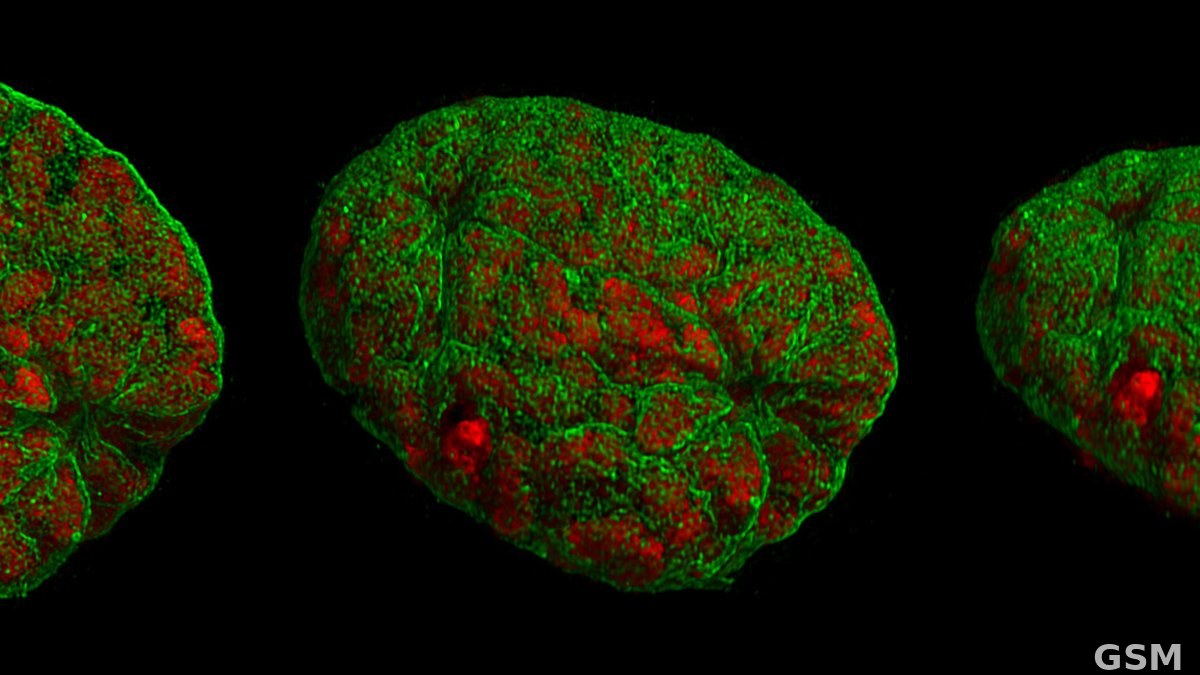 Science Advances Study: Embryos Protect the Vulnerable Y Chromosome With Finely Balanced Spindle Forces; Under Mild Stress, Y Errors Are 2.5 Times Less Likely t2026-11-09