
New Megapode Species Identified From Flores 'Hobbit' Cave: Leg Bone Dated to 190,000–120,000 Years Ago Named Megapodius rokusi, at About 3.9 Kilograms the Large
Researchers have identified a fossil leg bone found in 2009 in the Liang Bua cave on Indonesia's Flores Island as a new extinct species of megapode, a ground-dwelling, chicken-like bird. The study was published in Alcheringa: An Australasian Journal of Palaeontology and reported by Phys.org on November 8. Liang Bua is the same cave that held the ancient remains of Homo floresiensis.
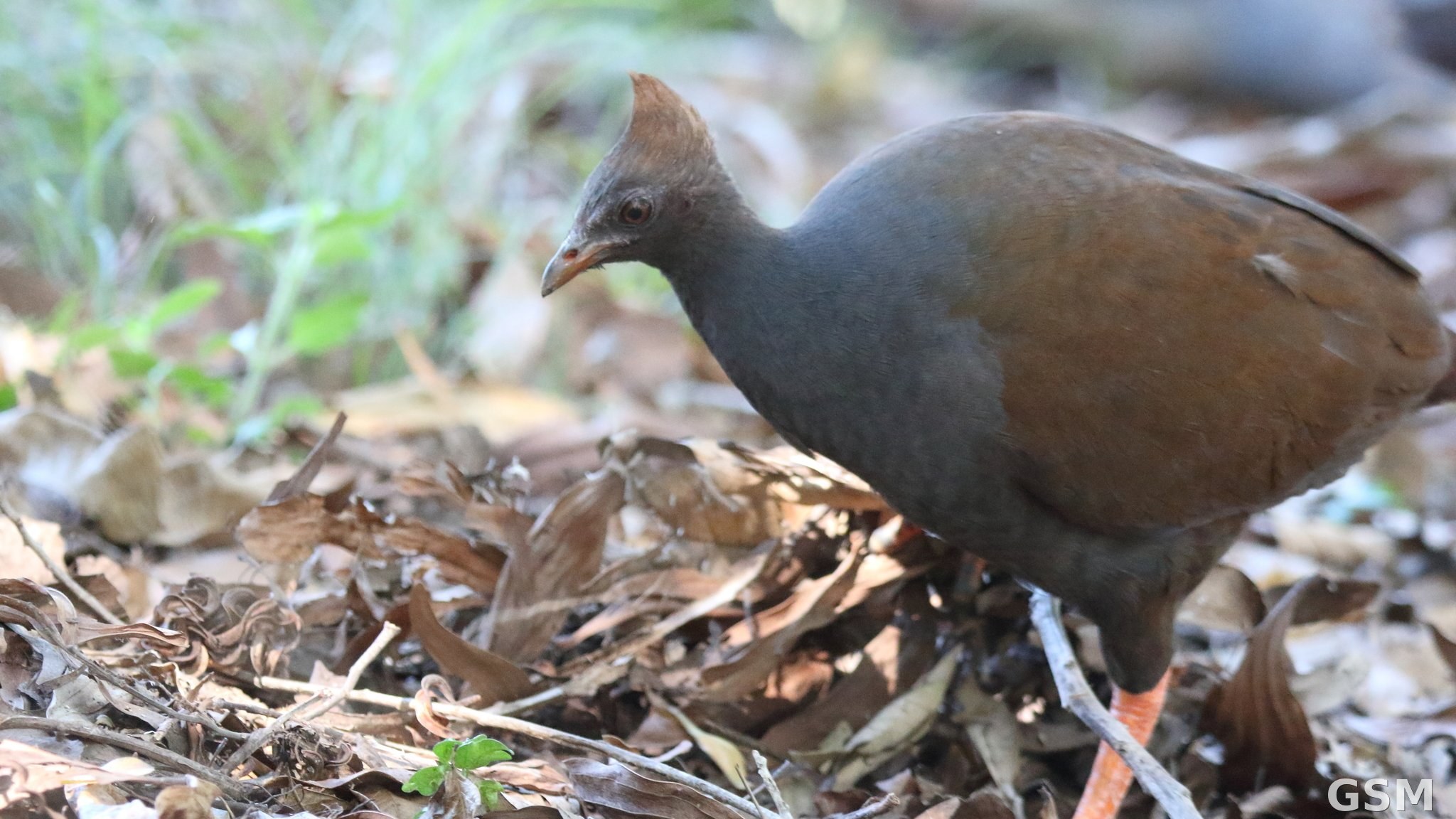
The leg bone — a tarsometatarsus — came from one of the cave's deepest layers and dates to about 190,000–120,000 years ago; it was identified as a bird bone in 2009 and then set aside for years. Comparing it with living and extinct megapode species, the researchers found that its toe joints differ in shape and position from those of other megapodes and that its leg shape and size point to a rather large bird, and concluded it belonged to a new species. They named it Megapodius rokusi, after Rokus Due Awe, the self-taught zooarchaeologist who first recognized the bones of H. floresiensis and later identified the fossil as a bird bone. The team estimated the bird weighed around 3.9 kilograms (about 8.6 pounds), making it the largest Megapodius ever found; Flores Island's current megapode, the orange-footed scrubfowl, weighs only 0.5–1.2 kg. The study reported that it is the first megapode fossil ever found in Wallacea. Megapodes do not sit on their nests; they lay their eggs in large mounds or burrows and leave them there.
The study also noted the limits of a single fossil: without wing bones it is uncertain whether the bird could fly, and its extinction timing is murky — it may have vanished around the same time as Liang Bua's other extinct animals, including the giant stork, the dwarf Stegodon, H. floresiensis and vultures, or it may have disappeared much earlier. Hanneke Meijer, a professor and curator of osteology at the University Museum of Bergen, said the fossil is one of the oldest bird remains found at Liang Bua, from a period for which there is almost no data on birds, and said she expects more megapode fossils to be found in Wallacea, where bird fossils have long been overlooked in favor of mammal bones.
—-
Source: Alcheringa paper
Published by GSM · USA (original Chinese edition)
Photo: 橙脚冢雉(资料图)。(Wikimedia Commons/CC BY-SA 4.0)|An orange-footed scrubfowl (file photo). (Wikimedia Commons / CC BY-SA 4.0)
 New Extinct Pygmy Sperm Whale From Peru's Pisco Formation, 6.3–5.6 Million Years Old: At About 2.7 Metres, Its Skull Shows the Most Extreme Asymmetry Known in A2026-11-09
 Science Advances Study: Embryos Protect the Vulnerable Y Chromosome With Finely Balanced Spindle Forces; Under Mild Stress, Y Errors Are 2.5 Times Less Likely t2026-11-09