
Nature Study: A PhyC–VRN1 Gene Pairing Underlies Barley Double Cropping; Across 505 Varieties and 80 Years of Breeding, Over 60% of Autumn-Sown Varieties Since
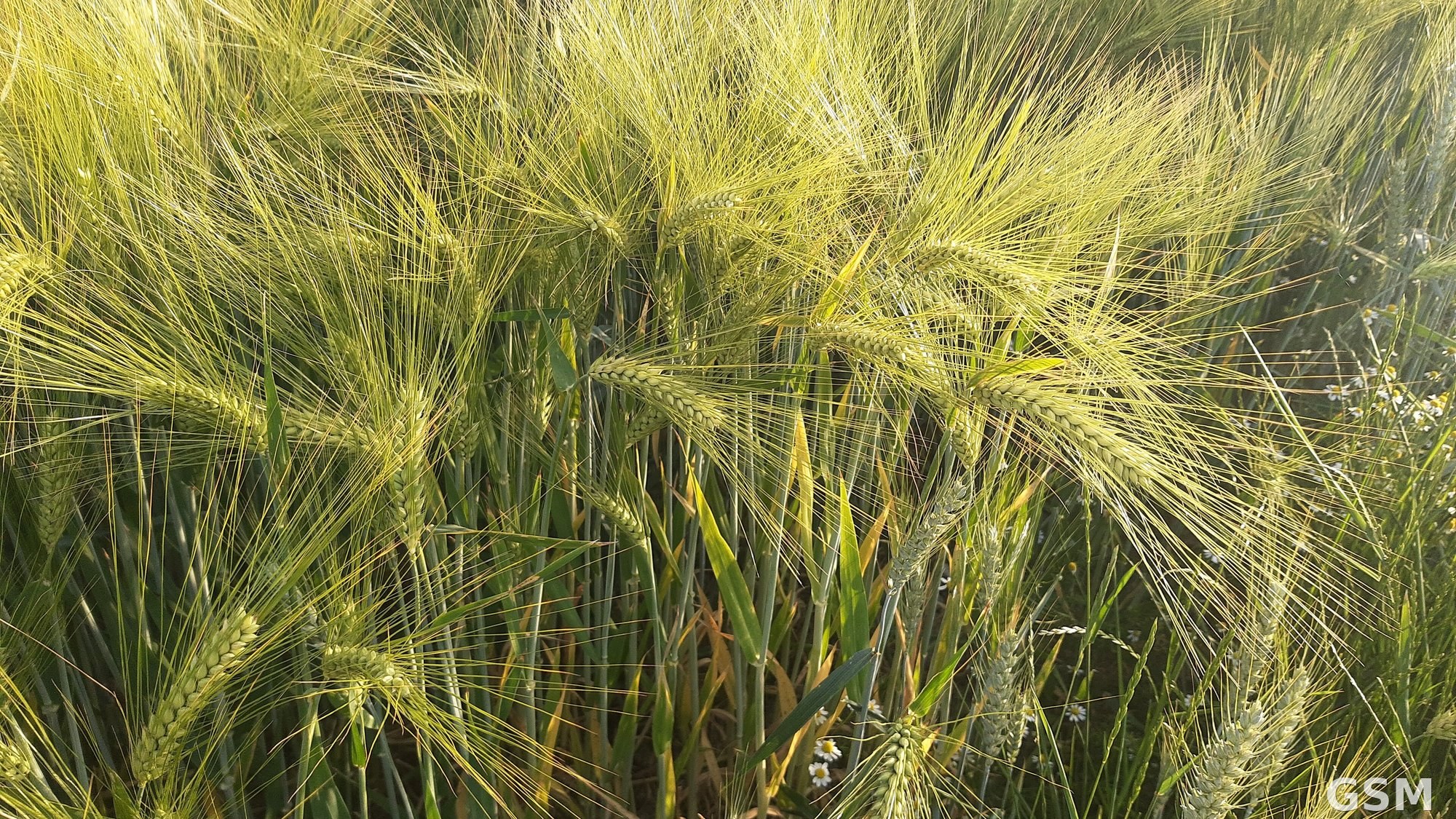
A study published in Nature has identified the genetic basis that lets barley fit a double-cropping calendar: a variant of the light-receptor gene PhyC combined with a particular variant of the vernalization gene VRN1. The work was led by Ping Yang at the Chinese Academy of Agricultural Sciences, working with researchers at the IPK Leibniz Institute in Germany, and was reported by Phys.org on November 9.
In parts of central and eastern China, farmers sow barley in autumn and harvest it in late spring, followed by a summer crop such as rice; the barley must mature in time, and an early harvest also helps it avoid heat and rain toward the end of the growing season. Combining historical data spanning eight decades with field trials and molecular genetic studies, the team examined genetic data from 505 representative Chinese barley varieties and 27 introduced reference lines, tracing how the genetic makeup of Chinese barley varieties has changed since the 1940s. The team identified a variant of the PHYTOCHROME C (PhyC) gene as a key molecular component: PhyC encodes a light receptor that regulates flowering time, and a single amino acid substitution in the protein accelerates ear emergence and maturity. The analyses indicate the variant originated in East Asian barley germplasm and became more widespread during modern breeding.
Early maturity is not necessarily advantageous, however: combined with a spring-barley variant of the flowering regulator VRN1, the early-maturing PhyC variant can reduce biomass and impair yield-related traits. The crucial factor is its combination with a winter-barley VRN1 variant, which is involved in the response to prolonged cold; under the field conditions investigated, that combination enables earlier development without reducing grain yield. The two genes lie close together on the same chromosome and can be inherited together, and the combination's frequency in Chinese autumn-sown varieties has increased since the 1960s; since the 1990s, more than 60% of the modern Chinese autumn-sown varieties examined have carried it. Using base editing, the team recreated the naturally occurring change in barley and wheat and confirmed it causes earlier development; in rice, the same change had the opposite effect, delaying flowering, which the team attributed to differences in day-length response mechanisms between long-day and short-day plants. Martin Mascher of the IPK Leibniz Institute said the findings show how a favorable combination of two gene variants became established in Chinese barley breeding over several decades, and Nils Stein said adapting crops depends not only on individual genes but on how they are combined. The authors noted that further field trials are needed to establish whether the combination performs well in other varieties and growing regions.
—-
Source: Nature paper
Published by GSM · USA (original Chinese edition)
Photo: 大麦田特写(资料图)。(Wikimedia Commons/CC0)|A barley field close-up (file photo). (Wikimedia Commons / CC0)
 New Extinct Pygmy Sperm Whale From Peru's Pisco Formation, 6.3–5.6 Million Years Old: At About 2.7 Metres, Its Skull Shows the Most Extreme Asymmetry Known in A2026-11-09
 Science Advances Study: Embryos Protect the Vulnerable Y Chromosome With Finely Balanced Spindle Forces; Under Mild Stress, Y Errors Are 2.5 Times Less Likely t2026-11-09