
Study of Nearly 100,000 Americans Finds Thousands of New Drug-Gene Variants: At Least One Variant in 16 Pharmacogenes in Every Participant, One in Four Had Taken an Affected Medicine
WASHINGTON — A new study using data from the National Institutes of Health's All of Us Research Program has identified thousands of previously unrecorded variants in genes that influence how people respond to prescription drugs, in a study of nearly 100,000 Americans. The paper was published on November 11 in Science Translational Medicine.
Using All of Us data, the researchers found that every participant carried at least one variant in the 16 pharmacogenes studied, and that one in four participants had taken a medication that could be affected by these variants. Pharmacogenes can change the way people metabolize drugs so that they need higher or lower doses, face worse or new side effects, or in some cases find drugs entirely ineffective. The variants affect drugs including selective serotonin reuptake inhibitors, statins, chemotherapy and the blood thinner Plavix, among others.
Philip Empey, who directs the Center for Clinical Pharmaceutical Sciences at the University of Pittsburgh and was the senior author on the paper, said that a prior experience with a medicine that did not work or caused a side effect cannot be attributed with certainty to genetics, but that genetics is one reason that may suggest where differences arise. Loren Saulsberry, a health policy researcher who was not involved in the study, said it furthers the evidence of how genetically guided clinical care adds benefit across a diverse population.
The All of Us Research Program aims to collect genetic data from 1 million Americans from diverse backgrounds. The program is supported by the 21st Century Cures Act, enacted in 2016, and yearly congressional appropriations; the former avenue will dry up in fiscal year 2027, and former program CEO Joshua Denny said funding cuts have forced the program to scale back recruiting. The study reports research findings only and is not medication advice for any individual.
Published by GSM · USA (original Chinese edition)
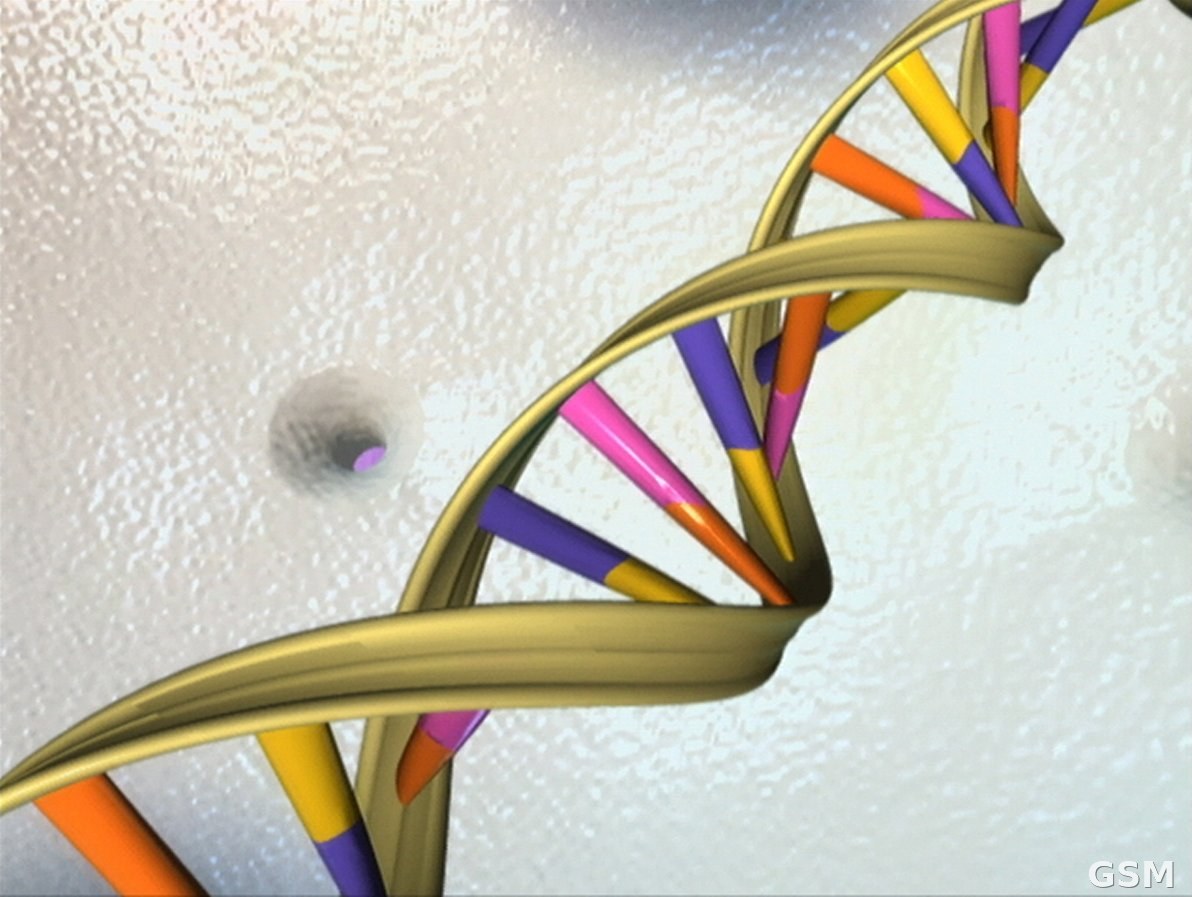
Photo: 图:DNA双螺旋结构示意图(资料图)。National Human Genome Research Institute,Public domain,经Wikimedia Commons。 / Photo: DNA double helix illustration (file image). National Human Genome Research Institute, Public domain, via Wikimedia Commons.
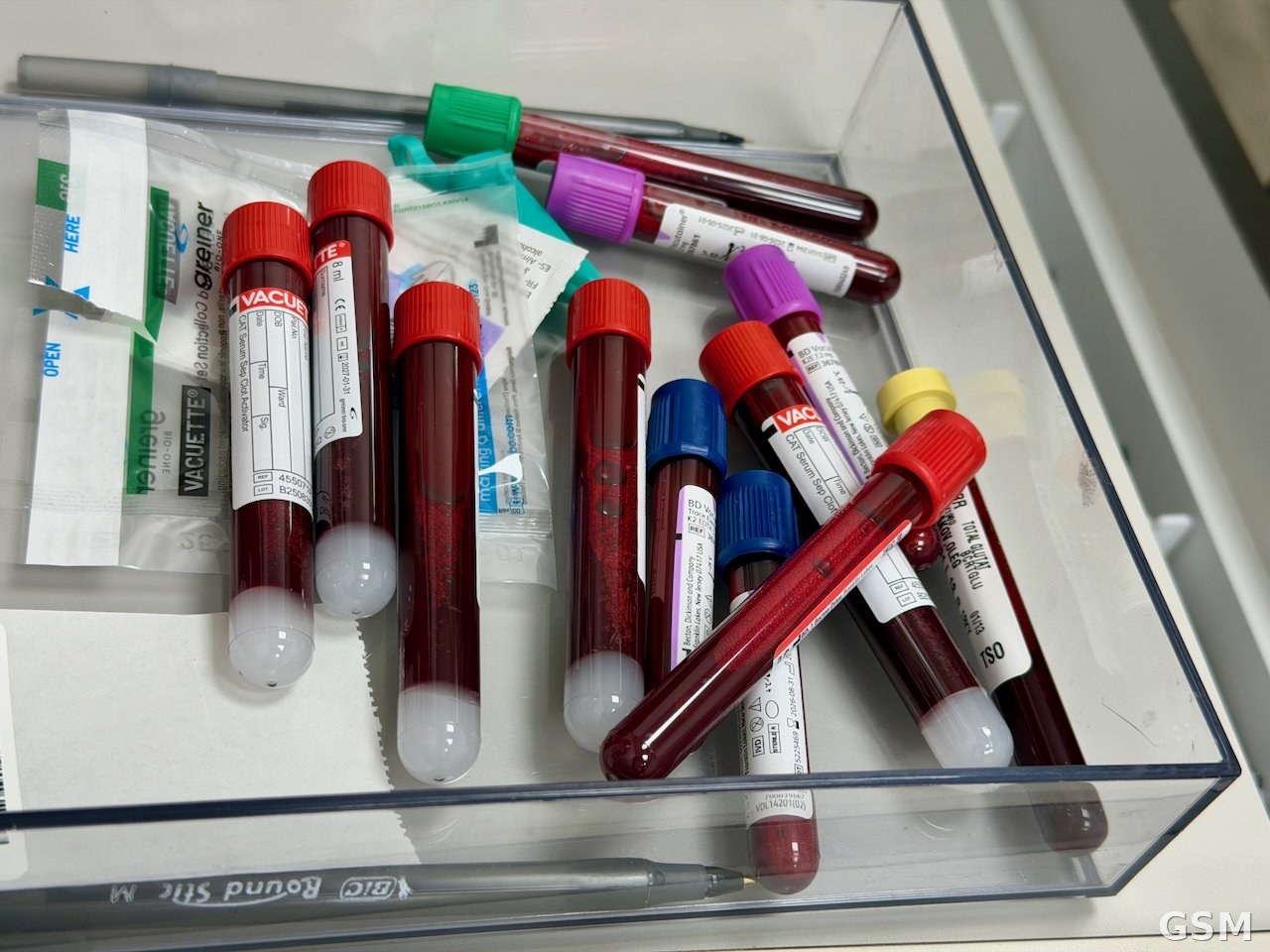 Blood Multi-Biomarker Panel Discriminates Alzheimer Disease from Healthy Controls: 200 Participants and 12 Markers, Scientific Reports Model Reaches AUROC of 0.9999 with External Validation Still Required2026-11-11
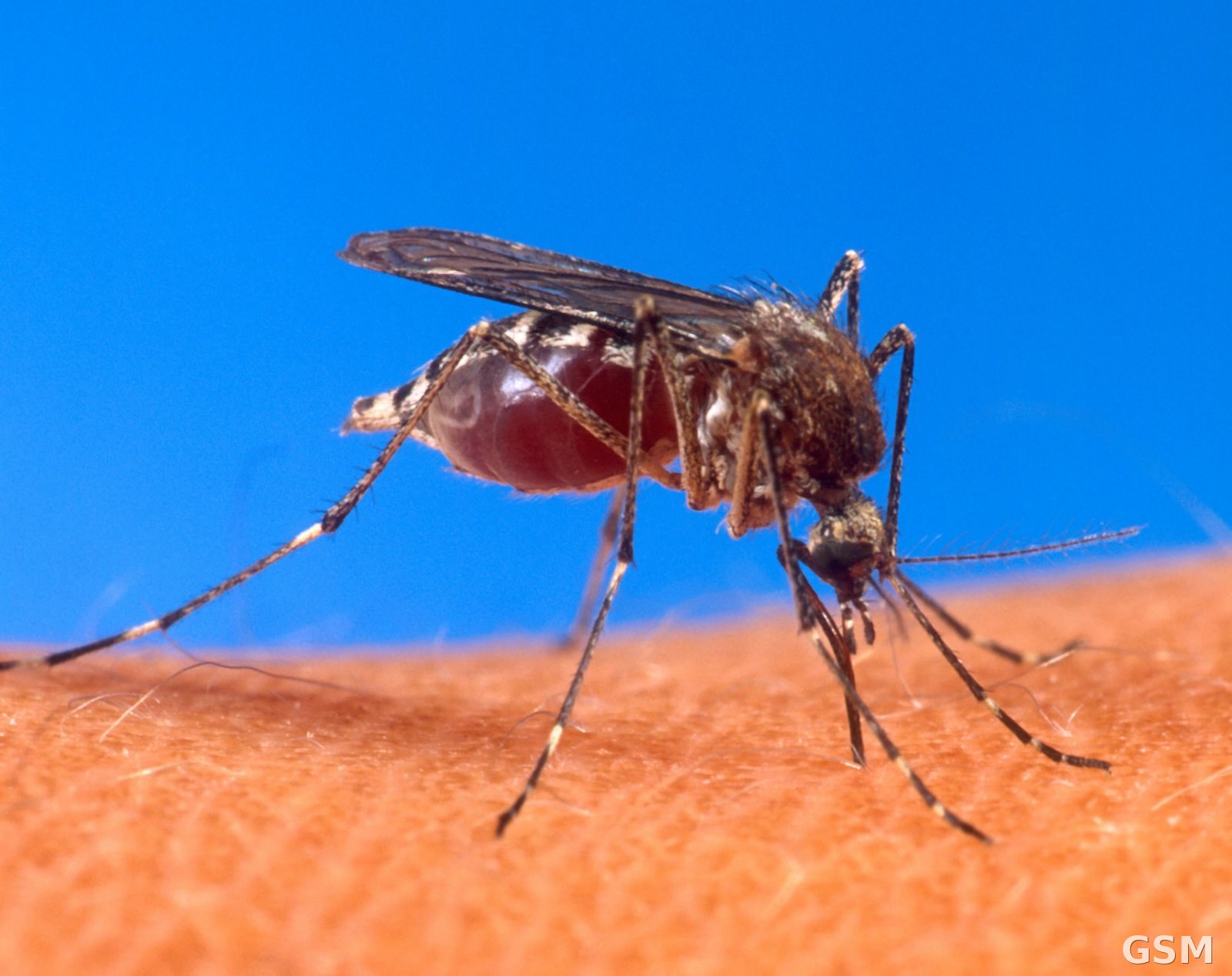 Dengue Virus Strains Show High Genomic Diversity: 411 Index Cases across 30 Sites in 7 Countries, Scientific Reports Finds All Four Serotypes Cocirculating in Latin America and Asia-Pacific2026-11-11