Stanford Time-Resolved FRET Aptamer Sensing Stays Stable Even When Nuclease Degradation Cuts Fluorescence Intensity by Over 50%
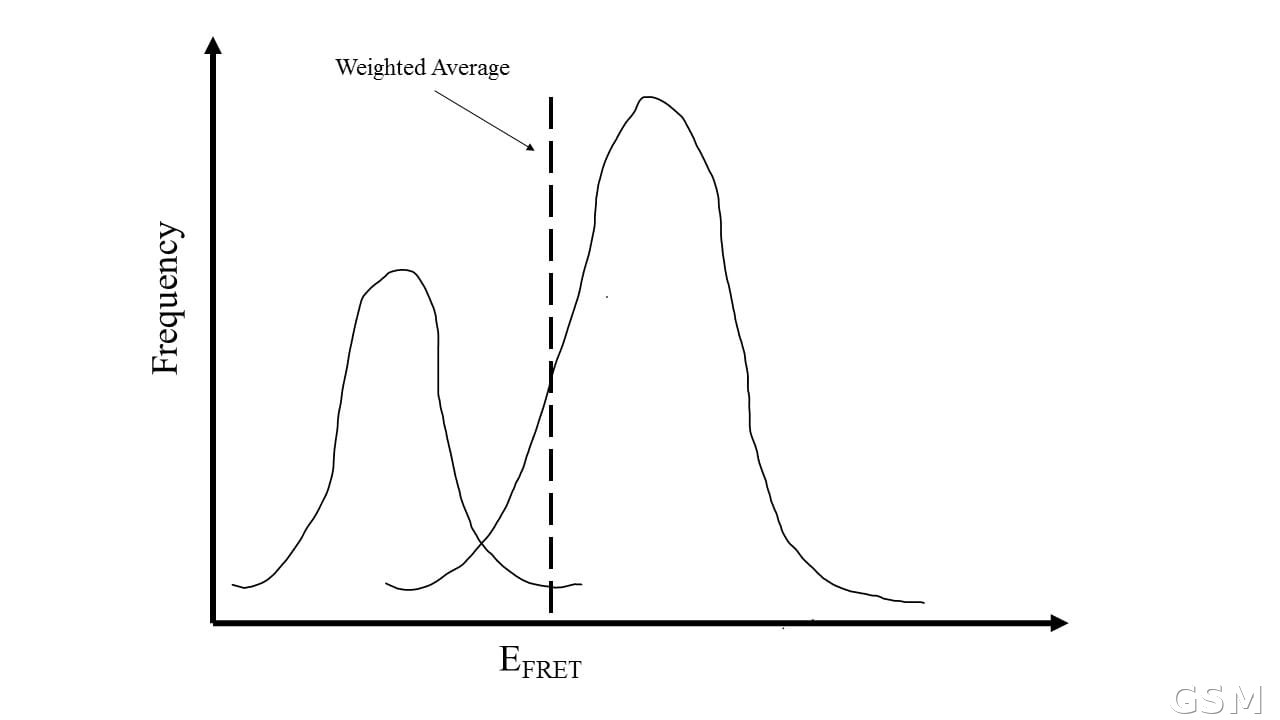
A Stanford University team introduced a time-resolved Forster resonance energy transfer (TR-FRET) sensing strategy for structure-switching aptamers that resolves contributions from distinct conformational states and enables a robust, self-normalized readout, in a paper published in Analytical Chemistry on November 14, 2026. The authors are Deepak Gopalan, Michael Eisenstein and Hyongsok Tom Soh.
The researchers labelled the aptamer with a long-lived europium chelate donor and a Cy5 acceptor and recorded the sensitized acceptor emission following pulsed donor excitation. The resulting decay profile encodes the relative populations of aptamer conformational states, making the readout insensitive to extrinsic factors that scale signal intensity, such as aptamer concentration or transduction efficiency. The approach was applied to lactate- and dopamine-binding aptamers, demonstrating target-dependent sensing in physiologically relevant buffer conditions.
Importantly, the TR-FRET readout remained stable even under aggressive nuclease degradation that reduced fluorescence intensity by over 50%, a condition that renders intensity-based readouts uninterpretable, the team reported. The work was supported by the Helmsley Trust and the Wellcome Leap SAVE program, with part of the work performed at the Stanford Nano Shared Facilities.
Source: Stanford University
Published by GSM · USA (original Chinese edition)
Photo: 图中是一幅FRET(荧光共振能量转移)分析示意,本研究用时间分辨FRET分辨适配体的不同构象状态。来源:Wikimedia Commons, File:Heterogeneous FRET analysis.jpg, Magnus Ma, CC BY-SA 4.0。