US Fraud Losses Reported in 2024 Hit $12.5 Billion: FTC and FBI Data Show Why Chinese Communities Are Being Targeted
Consumers in the United States reported $12.5 billion in fraud losses in 2024, up 25 percent from 2023, according to the Federal Trade Commission's Consumer Sentinel Network Data Book 2024, released in March 2025. The FBI's Internet Crime Complaint Center (IC3) received 859,532 complaints the same year with reported losses of $16.6 billion, a record high. California ranked first among all states in both complaints (96,265) and losses (about $2.539 billion). The FBI has issued a warning aimed specifically at Chinese communities in the United States. This article is the overview of Volume One, the anti-fraud volume, of GSM's "Lessons Learned the Hard Way" series.
The costliest categories: investment and imposter scams
The FTC recorded 2.6 million fraud reports in 2024; 38 percent reported a monetary loss, and the median loss across all fraud reports was $497. By total losses, investment scams ranked first at $5.697 billion, with a median loss of $9,196. Imposter scams generated the most reports of any category — 845,806, or 13 percent of all reports — with total losses of $2.952 billion. Government impersonation alone accounted for $789 million, up $171 million from 2023. The FTC defines imposter scams as schemes in which criminals pose as a romantic partner, the government, a relative in trouble, a well-known business, or a technical support expert.
How the money leaves
Among reports that identified a contact method, 70 percent of those first contacted through social media reported a loss — the highest share of any channel. Social media contact led to $1.858 billion in losses, while phone contact caused $948 million in losses with a median loss of $1,500. By payment method, bank transfers or bank payments caused the largest losses at $2.089 billion, followed by cryptocurrency at $1.417 billion. The FTC noted that losses paid by bank transfer or cryptocurrency exceeded those of all other payment methods combined.
Why Chinese communities are targeted
On May 9, 2024, the FBI's Washington Field Office issued a warning dissecting a scam aimed at Chinese communities in the US: callers communicate in Chinese, first posing as a US company or a Chinese consulate or embassy over a minor matter, then transfer the victim to a fake Chinese police officer who intimidates and monitors the victim before extorting a wire transfer. The warning was published in English as well as Simplified and Traditional Chinese. IC3 data also show that Hong Kong was the top foreign destination for fraudulent wire transfers, with 3,043 transfers in 2024, followed by Vietnam, Mexico, the Philippines, India and China. Language barriers, fear of "being wanted in a case back home," and unfamiliarity with US law-enforcement procedures are the conditions these schemes exploit.
Official red flags
The FBI's warning states: if a stranger calls and accuses you of a crime, do not provide personal or financial information, do not send money, and break off contact immediately. A caller ID showing an official number does not make the call official — numbers can be spoofed. If someone claiming to be a Chinese authority contacts you, reach out to your local FBI office; foreign government officials conducting lawful enforcement in the United States must coordinate with US federal authorities.
Where to report
Internet crime complaints: the FBI's IC3 at the FBI Internet Crime Complaint Center (IC3). Consumer fraud reports: the FTC at the FTC's ReportFraud site, where people who report a loss receive follow-up information on steps to try to recover money. Identity theft: the FTC's IdentityTheft.gov. California residents may also file with the California Attorney General at the California Attorney General's report page.
Source: GSM·USA
Related: DOJ's New National Fraud Enforcement Division Issues Directive 26-13 in Sweeping Anti-Fraud Push
Source: GSM · USA (original Chinese edition)
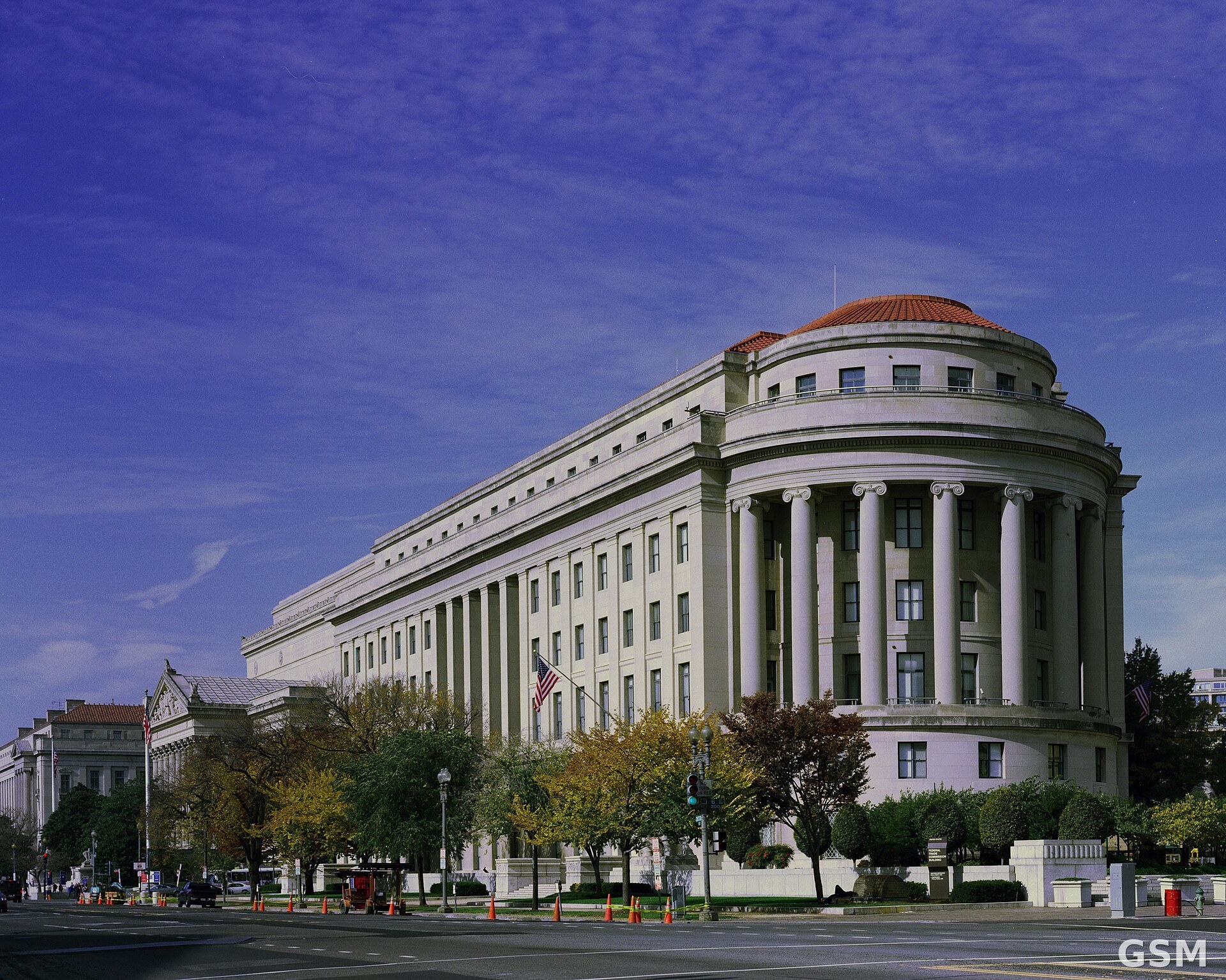
Photo: 华盛顿特区的联邦贸易委员会(FTC)总部 Apex 大楼(Carol M. Highsmith 摄,公共领域,美国国会图书馆藏)— via Wikimedia Commons / The Apex Building, headquarters of the U.S. Federal Trade Commission in Washington, D.C. (Carol M. Highsmith, public domain, Library of Congress) — via Wikimedia Commons
- 2026-10-25US Fraud Losses Reported in 2024 Hit $12.5 Billion: FTC and FBI Data Show Why Chinese Communities Are Being TargetedThis story
- 2026-10-25The Four-Step Consulate and Police Impersonation Script: FBI Breaks Down the Intimidation Scam Targeting Chinese Residents in the US
- 2026-10-25Crypto Investment Fraud Cost $5.8 Billion in 2024: 76 Percent of Victims Notified by the FBI Did Not Know They Were Being Scammed
- 2026-10-25Business Email Compromise Cost $2.77 Billion in 2024: How Closing Wires Are Diverted and Deeds Are Forged
- 2026-10-25Bank and Government Impersonation by Phone and Text: FTC Data Show $948 Million in Phone-Channel Losses and a $1,500 Median Loss
- 2026-10-25Americans Over 60 Reported $4.885 Billion in Fraud Losses in 2024: 'Grandchild in Trouble,' Gift Cards and Cash Pickups Targeting Seniors
- 2026-10-25Online Shopping and Prize Scams Reported $783 Million in Losses in 2024: Small Individual Losses, Enormous Totals
- 2026-10-25Already Wired Money to a Scammer? IC3's Fraud Kill Chain Processed 3,020 Cases in 2024 With a 66 Percent Success Rate