The Four-Step Consulate and Police Impersonation Script: FBI Breaks Down the Intimidation Scam Targeting Chinese Residents in the US
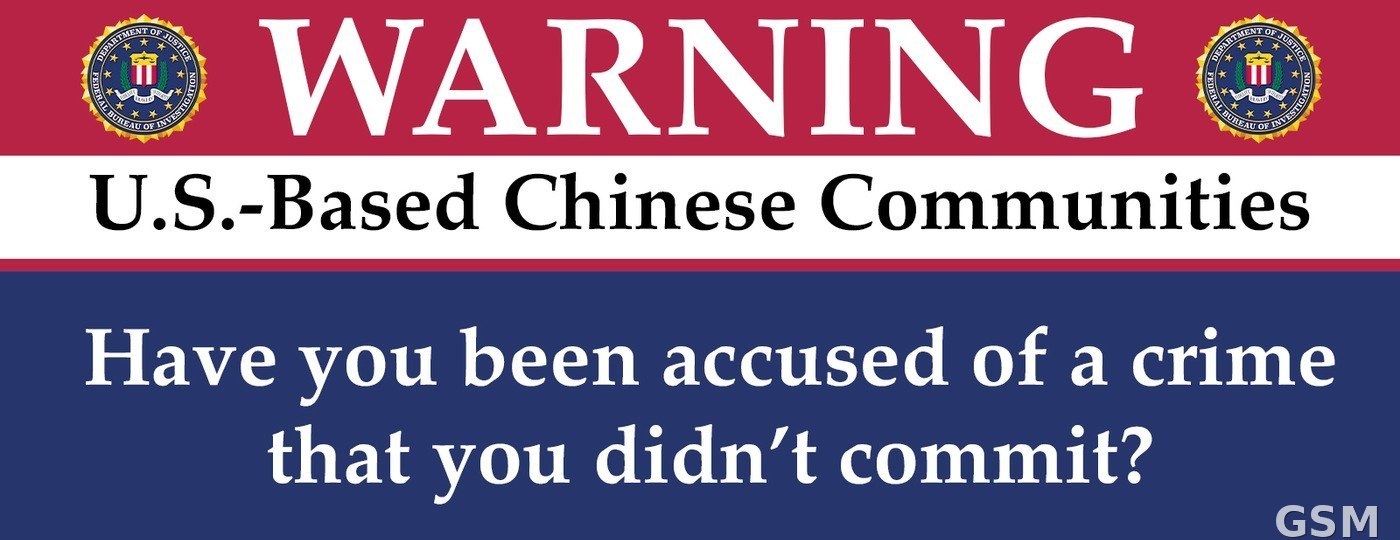
On May 9, 2024, the FBI's Washington Field Office warned of a scam aimed specifically at Chinese communities in the United States: criminals pose as US companies, Chinese consulates and embassies, and Chinese police, frighten victims with claims that they are "implicated in a case in China," and ultimately extort them into wiring money to bank accounts in China. FBI IC3 data show 17,367 government-impersonation complaints in 2024 with reported losses of $405.6 million. This article breaks down the script using the FBI warning itself.
Step one: a call about a minor matter
The scammers pose as a US company or a Chinese consulate or embassy and raise a small issue — a credit card balance, an undeliverable package, an unpaid bill. The caller ID is spoofed to look like a consulate or company number.
Step two: transfer to a fake "Chinese police officer"
The call is handed to someone claiming to be a Chinese law-enforcement official, who displays forged documents such as an arrest warrant, claims the victim is implicated in a case in China, and pressures the victim to return for trial or threatens arrest.
Step three: round-the-clock monitoring and silence
Victims are forced to accept 24/7 audio and video monitoring, forbidden to discuss the "case," and forbidden to search online. The FBI warning notes that some victims are even recruited to film other victims or to receive cryptocurrency and wire transfers on the scammers' behalf.
Step four: wire money to "prove innocence"
Victims are told to wire money to a bank account in China to "prove their innocence" or post "bail," and are given a script for answering bank tellers' questions. Some are coerced into lying to relatives and friends to borrow money, or into acting as money mules.
The FBI's assessment
Assistant Director David Sundberg said the scammers impersonate Chinese investigators to intimidate victims and steal their money by exploiting their fear, and that the scheme is convincing because it is built from multiple layers and multiple perpetrators. IC3 has also issued a public service announcement on the same scheme, "Criminals Pose as Chinese Authorities to Target U.S.-based Chinese Community," available in Simplified and Traditional Chinese.
Official red flags and self-protection points
From the FBI warning: if a stranger calls and accuses you of a crime, do not provide personal or financial information, do not send money, and break off contact immediately. A caller ID showing an official number does not make the call official — numbers can be spoofed. If someone claiming to be a Chinese authority contacts you, contact your local FBI office; foreign officials conducting lawful enforcement in the US must coordinate with US federal authorities. Do not agree to 24/7 audio or video monitoring.
If you have already sent money
The FBI advises: if you have transferred funds, immediately contact your financial institution to stop or reverse the transaction, and ask your institution to contact the receiving institution. File a complaint at the FBI Internet Crime Complaint Center (IC3) and include transaction details such as wire instructions, wallet addresses, phone numbers, and message or email records.
Source: GSM·USA
Source: GSM · USA (original Chinese edition)
Photo: 联邦调查局面向在美华人社区发布的反诈警告图(美国联邦调查局 FBI 官方发布,公共领域;原图底部含二维码条带,已按本站规范裁除)/ FBI warning graphic for U.S.-based Chinese communities on law-enforcement impersonation scams (Federal Bureau of Investigation, public domain; the bottom strip bearing a QR code was cropped per GSM policy)
- 2026-10-25US Fraud Losses Reported in 2024 Hit $12.5 Billion: FTC and FBI Data Show Why Chinese Communities Are Being Targeted
- 2026-10-25The Four-Step Consulate and Police Impersonation Script: FBI Breaks Down the Intimidation Scam Targeting Chinese Residents in the USThis story
- 2026-10-25Crypto Investment Fraud Cost $5.8 Billion in 2024: 76 Percent of Victims Notified by the FBI Did Not Know They Were Being Scammed
- 2026-10-25Business Email Compromise Cost $2.77 Billion in 2024: How Closing Wires Are Diverted and Deeds Are Forged
- 2026-10-25Bank and Government Impersonation by Phone and Text: FTC Data Show $948 Million in Phone-Channel Losses and a $1,500 Median Loss
- 2026-10-25Americans Over 60 Reported $4.885 Billion in Fraud Losses in 2024: 'Grandchild in Trouble,' Gift Cards and Cash Pickups Targeting Seniors
- 2026-10-25Online Shopping and Prize Scams Reported $783 Million in Losses in 2024: Small Individual Losses, Enormous Totals
- 2026-10-25Already Wired Money to a Scammer? IC3's Fraud Kill Chain Processed 3,020 Cases in 2024 With a 66 Percent Success Rate