Follow-Up: Wang Yi Holds Talks With Saudi National Security Adviser Al-Aiban as Gulf Reaches Crossroads of War and Peace
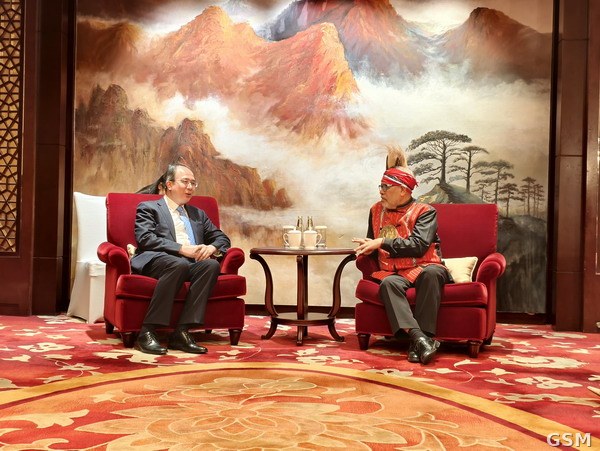
On November 2 in Beijing, Wang Yi, a member of the Political Bureau of the Communist Party of China Central Committee and director of the Office of the Central Commission for Foreign Affairs, held talks with Saudi Minister of State, Cabinet member and National Security Adviser Musaed bin Mohammed Al-Aiban. Al-Aiban delivered a letter from Saudi Crown Prince and Prime Minister Mohammed bin Salman to President Xi Jinping on the development of bilateral relations and issues of shared concern. Wang Yi also met the same day with Ali Bagheri, deputy secretary of Iran's Supreme National Security Council, and China's Foreign Ministry addressed both meetings — and whether China had brokered a trilateral session — at its regular press conference on November 3.
In his talks with Al-Aiban, Wang Yi said Saudi Arabia has always been an important comprehensive strategic partner of China, and that China places the development of relations with Saudi Arabia as a priority direction of its Middle East diplomacy. The two sides exchanged views on the situation in the Middle East and the Gulf. Wang Yi said the regional situation has once again reached a critical crossroads of war and peace, and expressed hope that all parties will resolve disputes and end the fighting through dialogue and negotiation, and safeguard regional energy and shipping security. He said regional countries should increase understanding, rebuild mutual trust and improve relations, and work through consultation to build a regional security architecture that serves the long-term interests of the region's peoples.
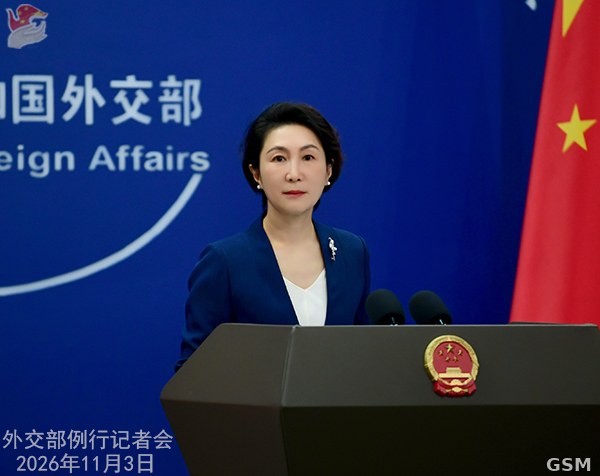
At the November 3 press conference, a Reuters reporter asked whether China had brought Saudi and Iranian officials together for a trilateral meeting, or planned to do so. Foreign Ministry spokesperson Mao Ning said Wang Yi had met separately in Beijing with the Saudi and Iranian officials in charge of national security affairs, that information on the meetings had been released, and that China is willing to continue making active efforts to promote dialogue and ease the situation.
An Agence France-Presse reporter asked whether China was concerned that the United States or Israel might strike Iran again after the U.S. midterm elections. Mao Ning said Wang Yi had already set out China's position on the Middle East and Gulf situation in detail. China has always held that military means will not help solve problems and will only heighten tensions and escalate the situation, which serves no party's interests, she said, adding that China hopes the relevant parties will stick to the peaceful option, resolve disputes through dialogue and negotiation, and restore peace and tranquility in the Middle East and the Gulf at an early date. (Source: Ministry of Foreign Affairs of China)
Source: Ministry of Foreign Affairs of China
Published by GSM · USA (original Chinese edition)
Photo: 图:中国外交部2026年11月3日例行记者会现场(资料图)。中国外交部官网。 / Photo: The Chinese Foreign Ministry's regular press conference on November 3, 2026 (file photo). Ministry of Foreign Affairs of China.
- 2026-11-02Wang Yi Meets Iran's Deputy Security Chief Bagheri in Beijing: Dialogue Is the Way to Resolve the Middle East Conflict
- 2026-11-03Follow-Up: Wang Yi Holds Talks With Saudi National Security Adviser Al-Aiban as Gulf Reaches Crossroads of War and PeaceThis story