A White House History of America (3): A Republic Expands — From the First President to Manifest Destiny, 1789–1840s
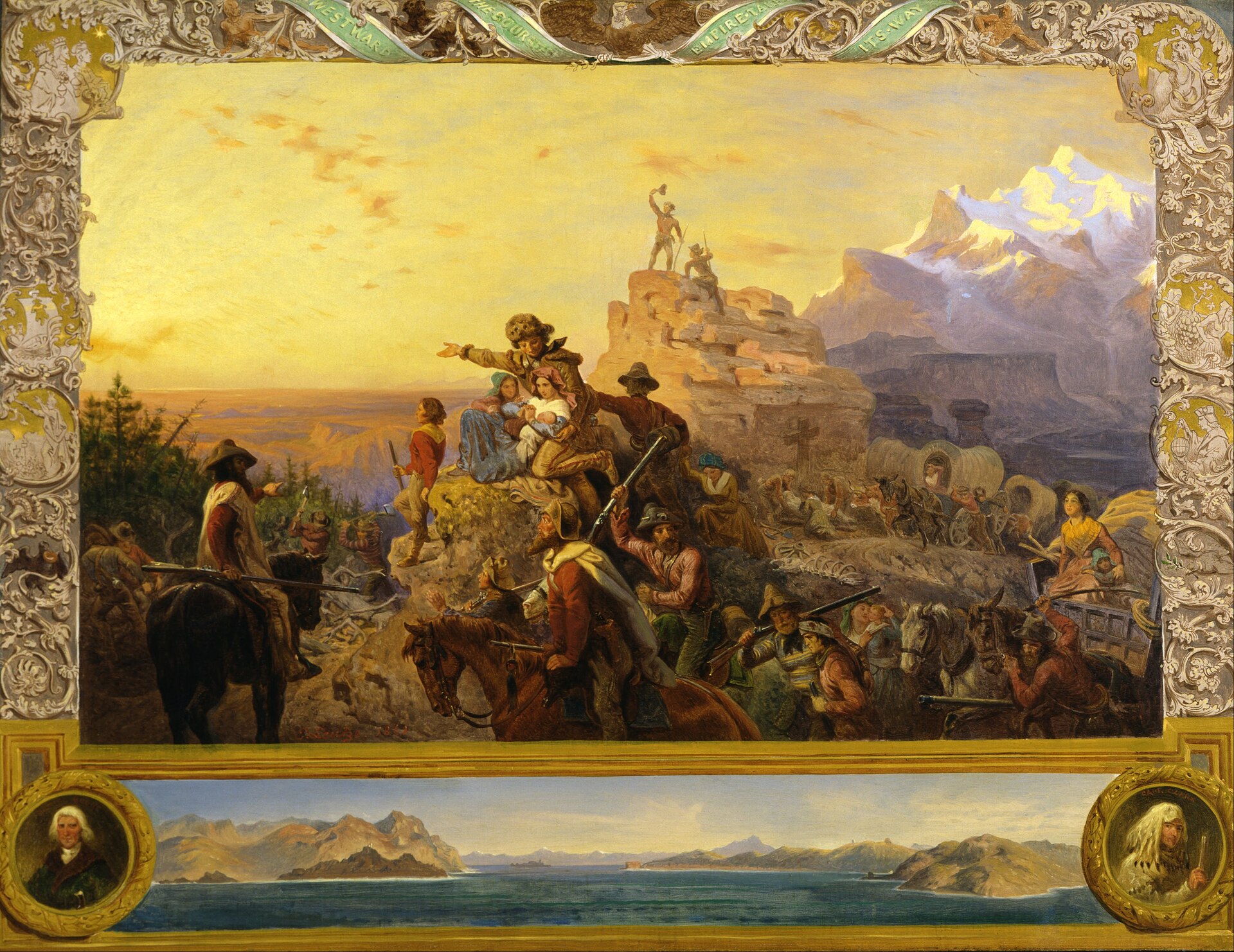
[Series note] Chapter Three of GSM's "A White House History of America" series: 1789 to the 1840s — the young republic chooses its first president, doubles in size, and pushes west to the Gulf of Mexico and the Pacific.
[Key dates]
1789 — George Washington becomes the first U.S. president
1803 — The Louisiana Purchase: 15 million dollars paid to France
1812 — War breaks out with Britain (to 1815)
1823 — President Monroe proclaims the Monroe Doctrine
1830 — The Indian Removal Act is signed
1845 — Texas is annexed
1848 — The Mexican-American War ends; gold is found in California
1. The Founding Presidents
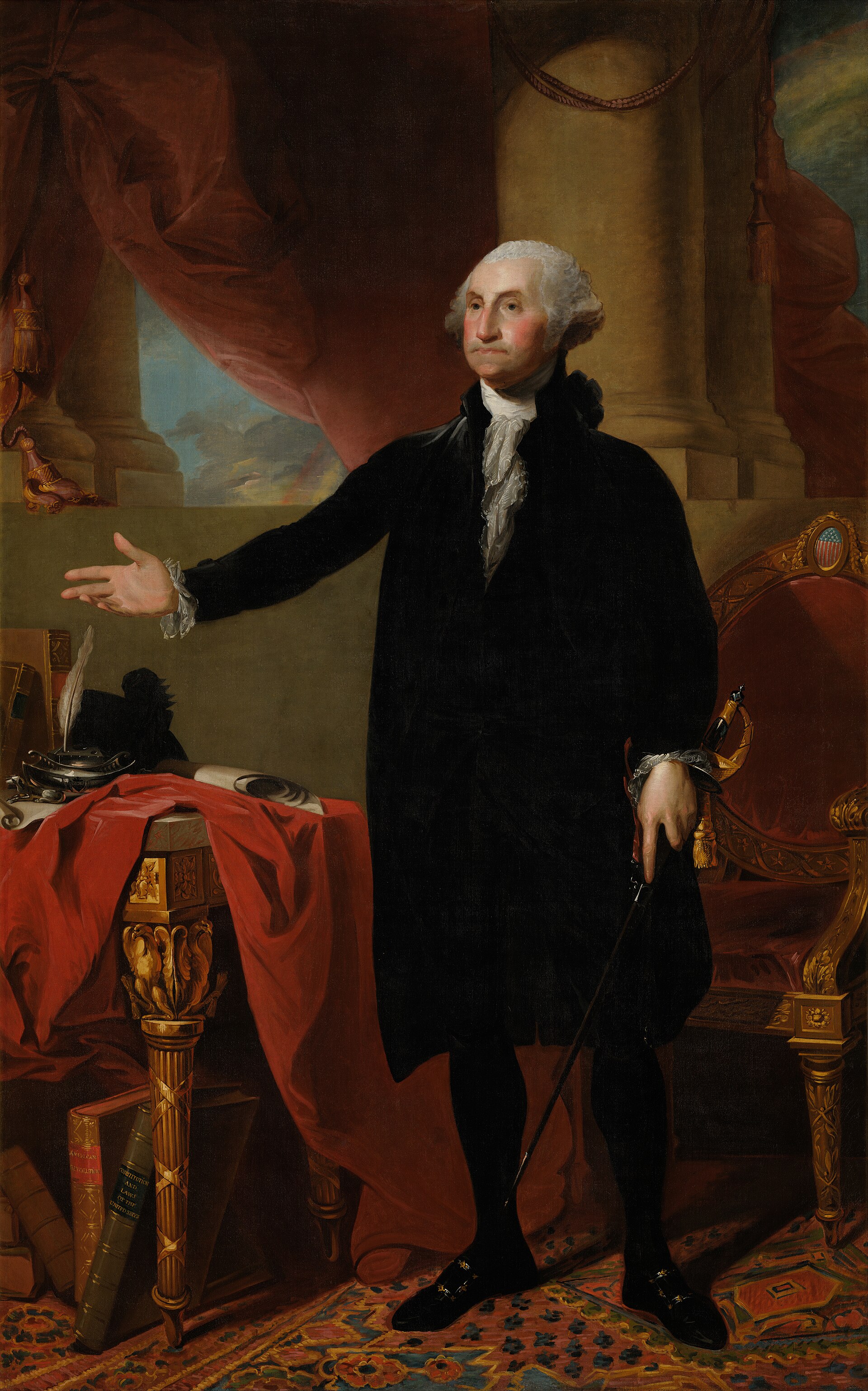
In 1789 Washington was elected unanimously as the first president. His cabinet, his courtesies to opponents, his daily habits — he knew every step set a precedent.
He retired after two terms, making peaceful transfer of power a tradition. In 1800, John Adams lost an election and handed power to Thomas Jefferson under the Constitution — the republic's first peaceful transfer between rival parties.
The new capital rose on the Potomac, named for Washington; the federal district took the name Columbia, for Columbus.
2. A Doubled Map and a Second War with Britain
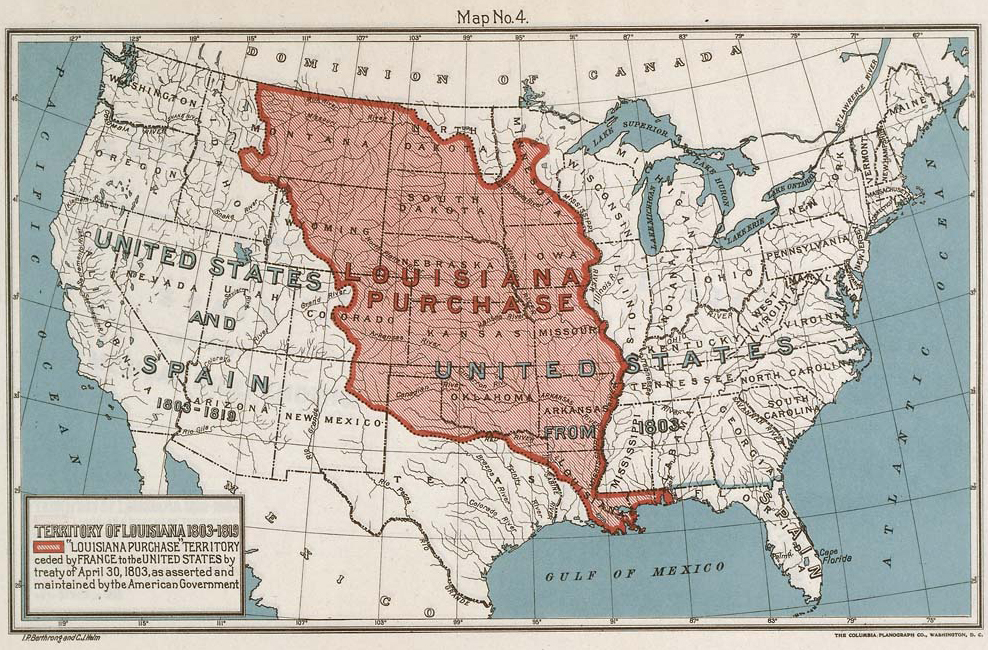
Under Jefferson, the pull west was irresistible. In 1803 Napoleon, needing money for war, sold Louisiana to the United States for 15 million dollars — some 828,000 square miles from the Mississippi to the Rockies. The nation doubled overnight.
In 1804, Lewis and Clark set out with Sacagawea, a Shoshone woman, as guide and interpreter; two and a half years later they had reached the Pacific and returned.
Old scores with Britain remained: American sailors were impressed into the Royal Navy and frontier tensions rose. In 1812 the United States declared war. British troops burned the Capitol and the President's House in 1814; at Baltimore, Fort McHenry held under bombardment, and Francis Scott Key, watching the flag still flying, wrote the verses that became "The Star-Spangled Banner."
The war settled little on paper — but it settled independence in the American mind.
3. The Monroe Doctrine and the Age of Jackson
In 1823, President Monroe told Congress the Americas were closed to new European colonization and that European interference in the hemisphere would be resisted — the Monroe Doctrine. Spoken by a still-modest power, it became a cornerstone of American foreign policy.
In 1828 Andrew Jackson, the hero of New Orleans, was elected president, carrying the presidency to ordinary white voters as universal white male suffrage spread through the states.
Expansion of democracy came with expulsion. Jackson signed the Indian Removal Act in 1830; in 1838–39 the Cherokee were forced west, and some 4,000 died on the journey remembered as the Trail of Tears.
4. Manifest Destiny
By the 1840s, "Manifest Destiny" was the slogan of the age: many Americans believed continental expansion was the nation's appointed mission.
Texas was annexed in 1845; war with Mexico followed in 1846. The treaty of 1848 ceded California, Nevada, Utah, Arizona and more — the map of the continental United States was essentially complete.
That same year, gold was found in California. In 1849 alone, some 300,000 "forty-niners" poured west by land and sea.
But every new territory raised the same question — would it enter the Union free or slave? In the next chapter, that question tears the country apart.
(Next chapter: 1815–1861, Industry, Reform and a House Dividing.)
Source: GSM · USA (original Chinese edition)
Photo: 图:伊曼纽尔·洛伊茨为美国国会大厦壁画《帝国向西进发》所绘的习作(约1861年),象征美国向西部大陆的扩张。图片来源:史密森美国艺术博物馆/Wikimedia Commons(公共领域)。Study by Emanuel Leutze for his U.S. Capitol mural 'Westward the Course of Empire Takes Its Way' (c. 1861), symbolizing America's westward expansion. Source: Smithsonian American Art Museum / Wikimedia Commons (public domain).
- 2026-10-17A White House History of America (9): A New Century — From the Internet Age to Super Intelligence, 1990s–Today
- 2026-10-17A White House History of America (8): Cold War, Civil Rights and the Moon — From the Truman Doctrine to the Fall of the Berlin Wall, 1945–1991
- 2026-10-17A White House History of America (7): World Wars and the Great Depression — From the Argonne to Normandy, 1914–1945
- 2026-10-17A White House History of America (6): Steel, Immigrants and Reformers — From the Transcontinental Railroad to Women's Suffrage, 1870s–1920
- 2026-10-17A White House History of America (5): Civil War and Reconstruction — From Fort Sumter to Three Amendments, 1861–1877
- 2026-10-17A White House History of America (4): Industry, Reform and Division — From Canals and Mills to the Dred Scott Case, 1815–1861
- 2026-10-17A White House History of America (3): A Republic Expands — From the First President to Manifest Destiny, 1789–1840sThis story
- 2026-10-17A White House History of America (2): Revolution and Founding — From Tea Party Protests to the Philadelphia Convention, 1763–1789
- 2026-10-17A White House History of America (1): After Columbus — How the Thirteen Colonies Took Root, 1492–1763