A White House History of America (4): Industry, Reform and Division — From Canals and Mills to the Dred Scott Case, 1815–1861
[Series note] Chapter Four of GSM's "A White House History of America" series: 1815–1861 — steamboats, canals and factories knit the country into one market, reformers multiply, and the wound of slavery moves, compromise by compromise, toward rupture.
[Key dates]
1820 — The Missouri Compromise draws a temporary line on slavery's expansion
1825 — The Erie Canal opens
1831 — Garrison launches the abolitionist newspaper The Liberator
1848 — The Seneca Falls women's rights convention
1850 — A compromise package passes, with a stronger Fugitive Slave Act
1854 — The Kansas-Nebraska Act leads to "Bleeding Kansas"
1857 — The Supreme Court decides the Dred Scott case
1. Wheels Turning
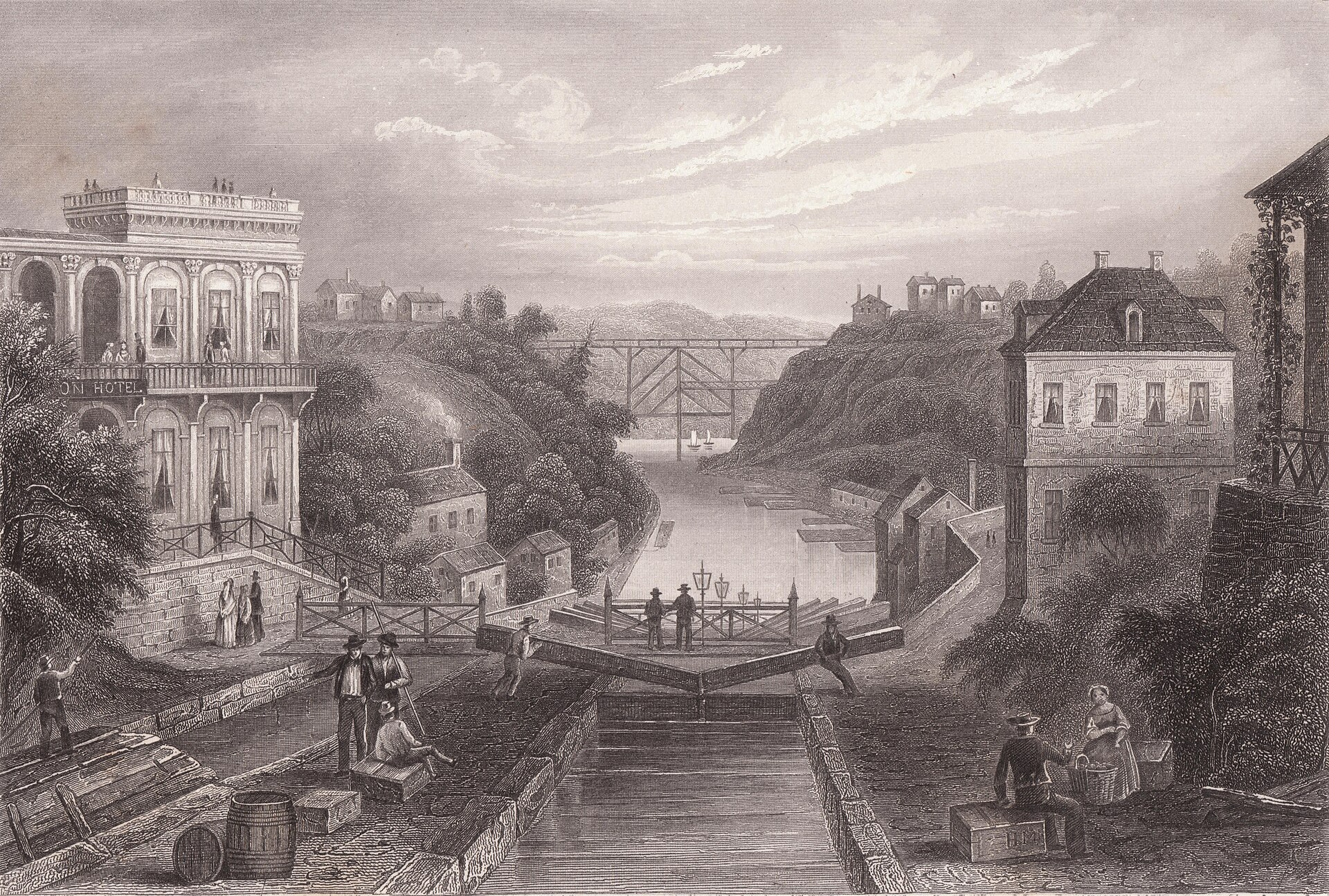
After 1815 the American economy moved as if pushed by steam. Steamboats carried bulk goods up the Mississippi; the Erie Canal, finished in 1825, linked the Great Lakes to New York Harbor and cut freight costs to a fraction.
Railroads followed: a few dozen miles in 1830, more than 30,000 by 1860, stitching farms, mines and ports into one network.
In 1844 Morse sent the first telegram — "What hath God wrought." Information, like goods, now moved faster than a horse.
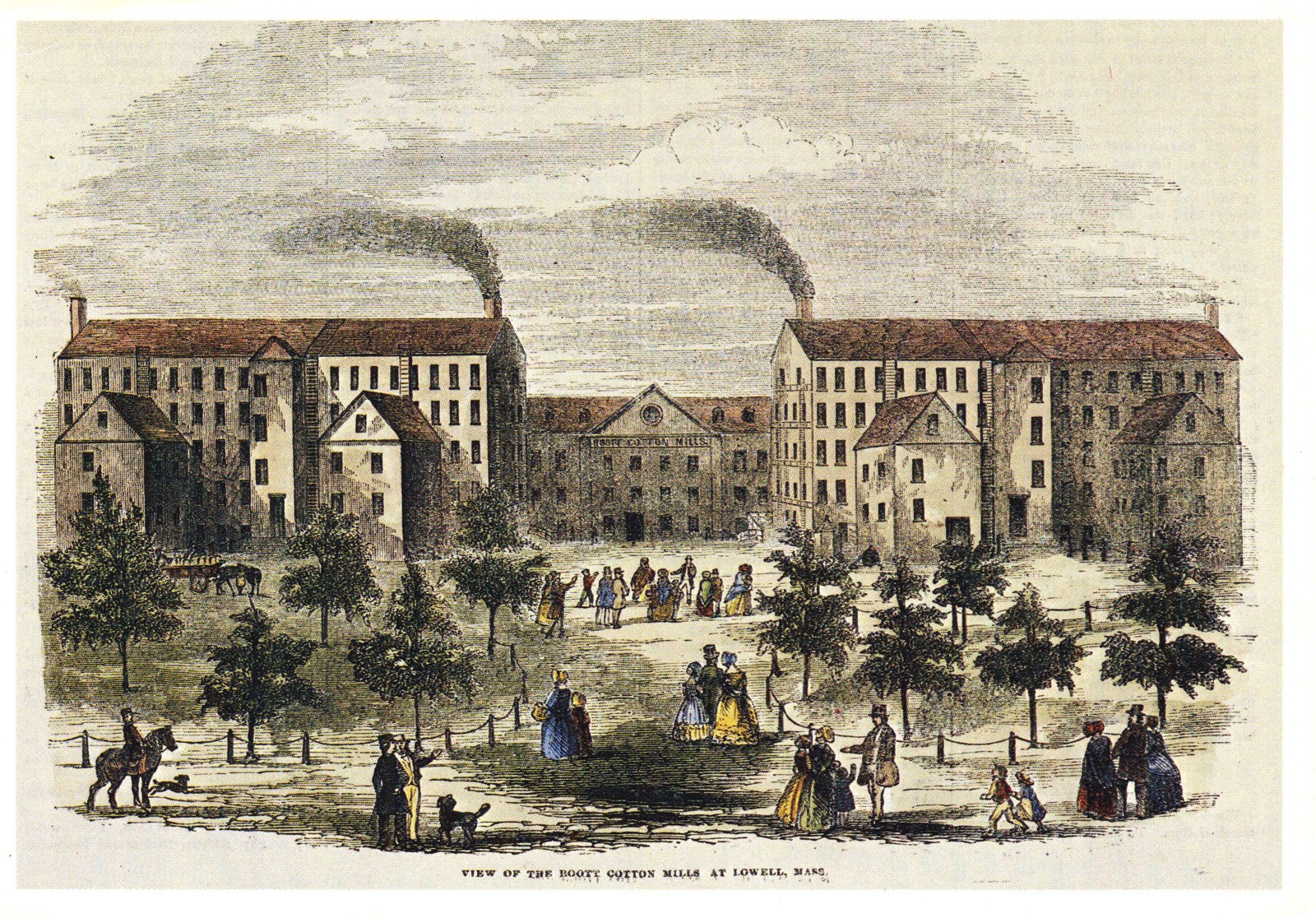
In the North, factories rose: the textile mills of Lowell, Massachusetts, recruited farm daughters by the thousand. In the South, enslaved labor planted cotton on ever more land to feed Northern and British mills. One market, two systems of labor.
2. An Age of Reform
A religious and moral awakening swept the same decades. Camp meetings drew thousands, and reformers believed society's ills could — and must — be cured.
In 1831 Garrison began publishing The Liberator in Boston, demanding immediate, unconditional emancipation; the American Anti-Slavery Society followed in 1833. Frederick Douglass, who had escaped slavery, became one of abolition's most powerful speakers; Harriet Tubman returned south again and again to guide people out on the "Underground Railroad."
Reform reached further: the Seneca Falls Convention of 1848 demanded women's suffrage; Horace Mann championed public schools; Dorothea Dix exposed the treatment of the mentally ill, while prisons and poorhouses drew reformers' attention.
3. One Question Divides the House
Every expansion forced the same question on Congress: would slavery be legal in the new lands? The Missouri Compromise of 1820 admitted Missouri as a slave state and Maine as free, and barred slavery north of 36°30′ — covering the crater, for a time.
In 1850 California entered as a free state, balanced by a harsh Fugitive Slave Act that required federal officials to help recapture escapees — and forced Northerners to confront slavery's everyday reality.
In 1854 the Kansas-Nebraska Act repealed the old line in favor of local choice. Pro- and anti-slavery settlers poured into Kansas and shot at each other — "Bleeding Kansas," a rehearsal for civil war. The Republican Party was born the same year, opposed to slavery's expansion.
4. Toward Disunion
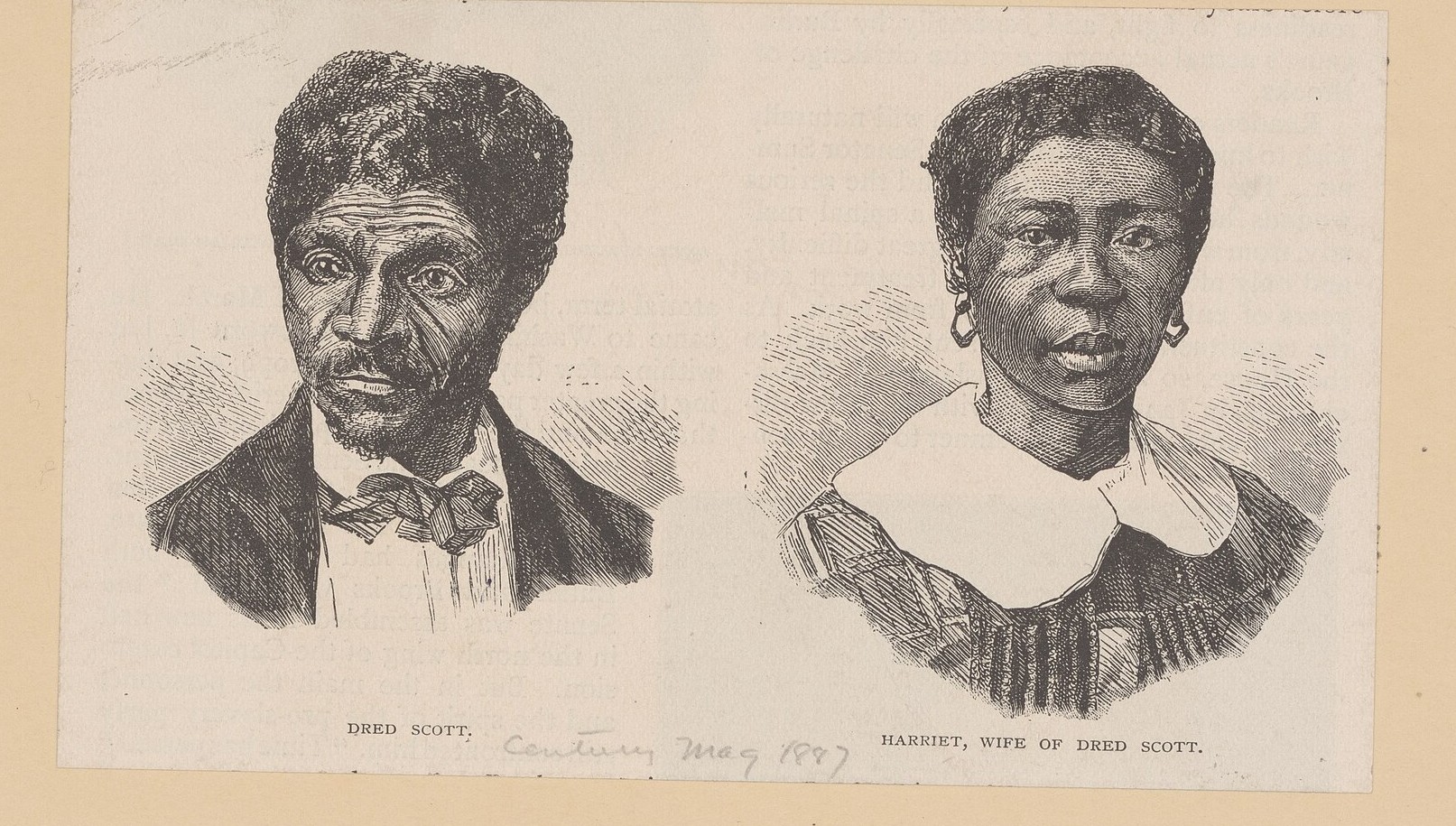
In 1857 the Supreme Court decided Dred Scott's case: Scott had sued for freedom after living with his enslaver in free territory. The Court ruled that Black Americans were not, and could not become, citizens — and that Congress had no power to bar slavery from the territories.
The decision inflamed the North. In 1858, Lincoln told the nation in his debates with Douglas that "a house divided against itself cannot stand." In 1859 John Brown raided the arsenal at Harpers Ferry hoping to spark a slave uprising; he was hanged, and the South took his raid as proof of Northern intent.
In 1860 Lincoln was elected president. South Carolina seceded first; by February 1861 seven Southern states had formed the Confederate States of America. Compromise was exhausted. Only war remained.
(Next chapter: 1861–1877, Civil War, Emancipation and Reconstruction.)
Source: GSM · USA (original Chinese edition)
Photo: 图:约1855年版画《伊利运河全景》,描绘纽约州洛克波特五级船闸一带的运河与船只。图片来源:纽约公共图书馆/Wikimedia Commons(公共领域)。Engraving of the Erie Canal at Lockport, New York, c. 1855, showing the flight of locks and canal boats. Source: New York Public Library / Wikimedia Commons (public domain).
- 2026-10-17A White House History of America (9): A New Century — From the Internet Age to Super Intelligence, 1990s–Today
- 2026-10-17A White House History of America (8): Cold War, Civil Rights and the Moon — From the Truman Doctrine to the Fall of the Berlin Wall, 1945–1991
- 2026-10-17A White House History of America (7): World Wars and the Great Depression — From the Argonne to Normandy, 1914–1945
- 2026-10-17A White House History of America (6): Steel, Immigrants and Reformers — From the Transcontinental Railroad to Women's Suffrage, 1870s–1920
- 2026-10-17A White House History of America (5): Civil War and Reconstruction — From Fort Sumter to Three Amendments, 1861–1877
- 2026-10-17A White House History of America (4): Industry, Reform and Division — From Canals and Mills to the Dred Scott Case, 1815–1861This story
- 2026-10-17A White House History of America (3): A Republic Expands — From the First President to Manifest Destiny, 1789–1840s
- 2026-10-17A White House History of America (2): Revolution and Founding — From Tea Party Protests to the Philadelphia Convention, 1763–1789
- 2026-10-17A White House History of America (1): After Columbus — How the Thirteen Colonies Took Root, 1492–1763