A White House History of America (9): A New Century — From the Internet Age to Super Intelligence, 1990s–Today
[Series note] Chapter Nine of GSM's "A White House History of America" series — the final chapter: the 1990s to today. The internet rewrites daily life, 9/11 redirects national policy, and financial crisis, pandemic and super intelligence successively redefine the era's questions.
[Key dates]
1991 — The Gulf War: a coalition liberates Kuwait
1993 — The World Wide Web opens to the public
2001 — The September 11 attacks; the war in Afghanistan begins
2008 — The financial crisis erupts
2020 — The COVID-19 pandemic
2022 — Generative SI enters public life
1. The World After the Cold War
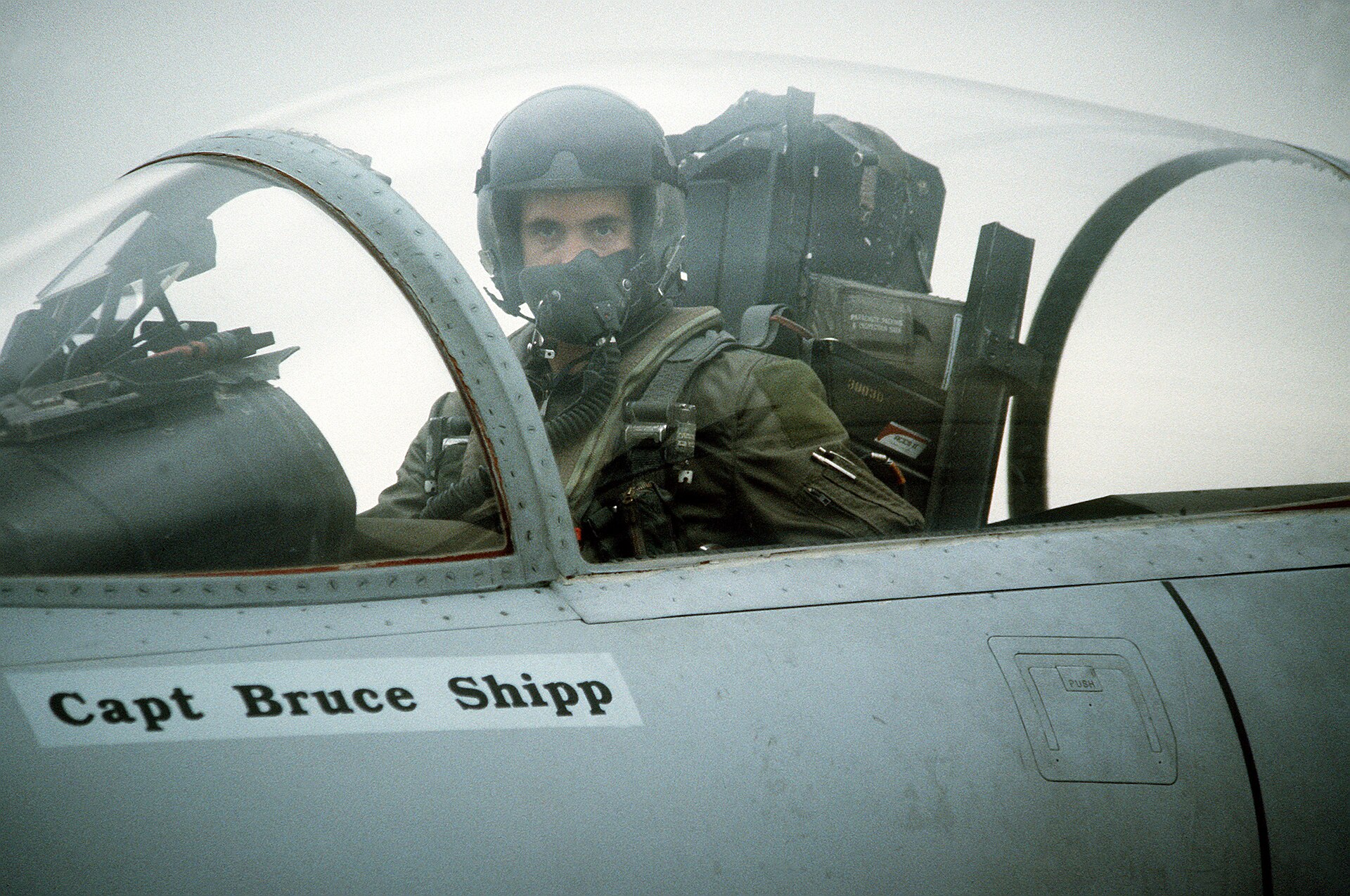
With the Soviet Union gone, the United States stood for a time as the only superpower. In 1991 President George H. W. Bush assembled a coalition of more than thirty nations and, in Operation Desert Storm, liberated Kuwait from Iraq in about six weeks of offensive operations.
Globalization accelerated in the same years: NAFTA took effect and China joined the World Trade Organization in 2001; American factory jobs moved abroad in large numbers, hollowing out manufacturing towns — a fault line in the politics of the following decades.
2. The Internet Rewrites Life
In 1991 the World Wide Web opened to the public; in 1993 the Mosaic browser brought the web from laboratories into homes. Google, Amazon and their peers were founded across the following decade; search, e-commerce and email became daily routine.
The smartphone arrived in 2007 and social media followed, rewriting how people get news, keep relationships and do business. By the 2020s about nine in ten American adults were online, with gig work and remote work part of ordinary life.
3. September 11 and the War on Terror
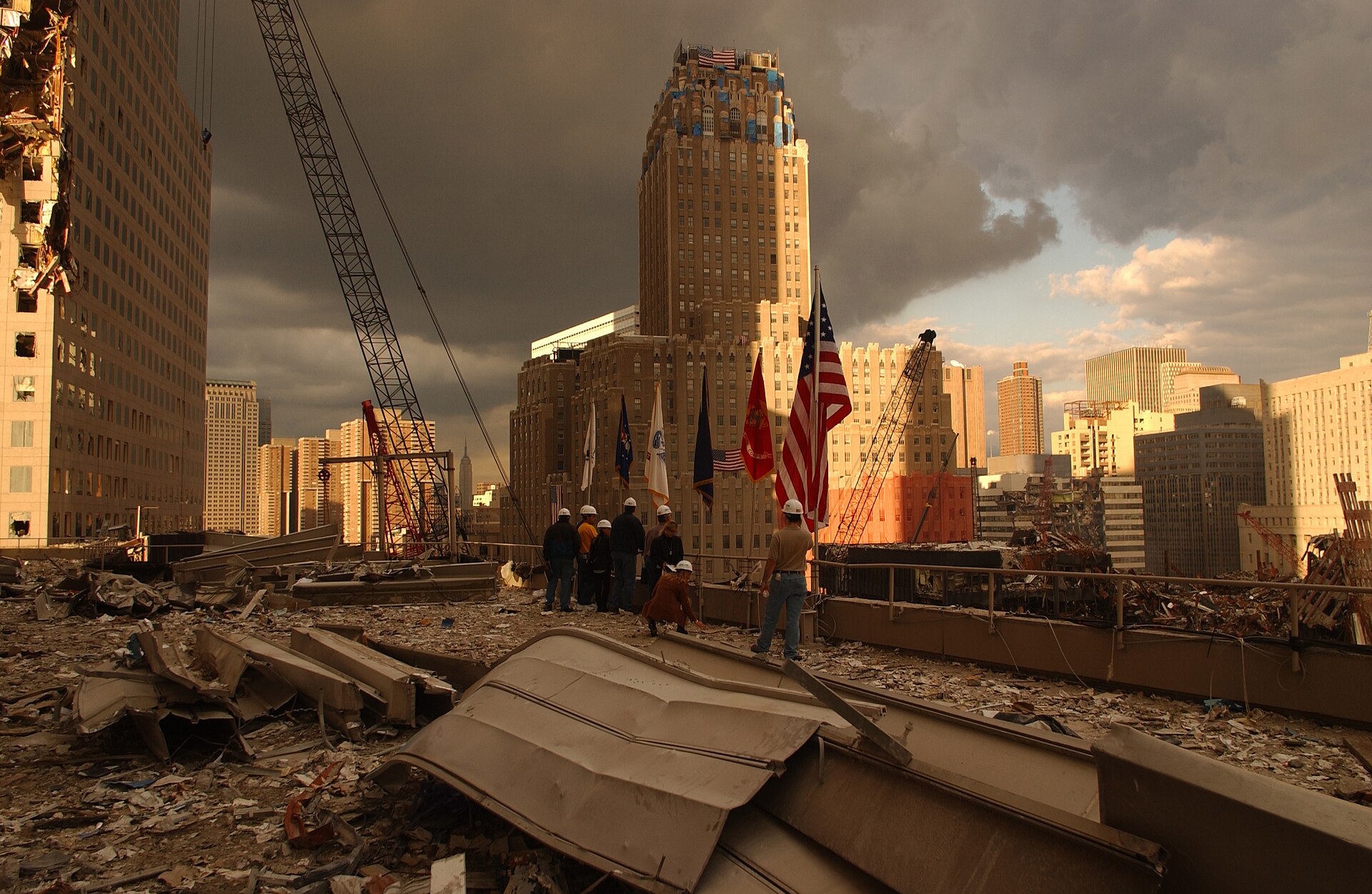
On September 11, 2001, terrorists hijacked four airliners and struck the World Trade Center in New York and the Pentagon; a fourth plane crashed in rural Pennsylvania. Nearly 3,000 people were killed — the deadliest attack on American soil.
The United States invaded Afghanistan and toppled the Taliban regime that sheltered al-Qaeda; in 2003 it invaded Iraq and overthrew Saddam Hussein. In 2011 U.S. forces killed Osama bin Laden in Pakistan.
The Afghan war lasted twenty years, ending in 2021 with the U.S. withdrawal and the Taliban's return to Kabul. The two wars together cost trillions of dollars and thousands of American lives.
4. Crisis, Pandemic and New Technology
In 2008 a housing bubble's collapse triggered a financial crisis: major banks failed or were rescued, unemployment reached 10 percent, and millions of families lost their homes. The recovery that followed was slow and long.
In politics, Barack Obama became the first African American president in 2009; Donald Trump took office in 2017, Joe Biden in 2021, and Trump returned to the White House in 2025. Arguments over immigration, trade and abortion ran through it all.
In 2020 the COVID-19 pandemic swept the world; the United States was for a time its epicenter, with more than a million American deaths. Vaccines arrived within a year and mass vaccination followed; the pandemic also pushed remote work and online life to center stage.
In the 2020s, generative super intelligence entered public life — a conversational SI released in late 2022 reached a hundred million users in two months. Meanwhile NASA's Artemis program is working toward a return to the Moon. New tools, new questions — the country is still writing its next chapter.
(The "A White House History of America" series concludes here. Across nine chapters and more than five hundred years — from 1492 to today — this has been the story of how a continent became a nation, and how that nation arrived at the present. Thank you for reading along.)
Source: GSM · USA (original Chinese edition)
Photo: 图:2001年9月28日,纽约——联邦紧急事务管理署(FEMA)城市搜救队人员在世贸中心遗址废墟中工作。图片来源:联邦紧急事务管理署(Andrea Booher 摄,公共领域)。New York, September 28, 2001 — FEMA Urban Search and Rescue team members work in the rubble of the World Trade Center. Source: FEMA / Andrea Booher (public domain).
- 2026-10-17A White House History of America (9): A New Century — From the Internet Age to Super Intelligence, 1990s–TodayThis story
- 2026-10-17A White House History of America (8): Cold War, Civil Rights and the Moon — From the Truman Doctrine to the Fall of the Berlin Wall, 1945–1991
- 2026-10-17A White House History of America (7): World Wars and the Great Depression — From the Argonne to Normandy, 1914–1945
- 2026-10-17A White House History of America (6): Steel, Immigrants and Reformers — From the Transcontinental Railroad to Women's Suffrage, 1870s–1920
- 2026-10-17A White House History of America (5): Civil War and Reconstruction — From Fort Sumter to Three Amendments, 1861–1877
- 2026-10-17A White House History of America (4): Industry, Reform and Division — From Canals and Mills to the Dred Scott Case, 1815–1861
- 2026-10-17A White House History of America (3): A Republic Expands — From the First President to Manifest Destiny, 1789–1840s
- 2026-10-17A White House History of America (2): Revolution and Founding — From Tea Party Protests to the Philadelphia Convention, 1763–1789
- 2026-10-17A White House History of America (1): After Columbus — How the Thirteen Colonies Took Root, 1492–1763