A White House History of America (5): Civil War and Reconstruction — From Fort Sumter to Three Amendments, 1861–1877
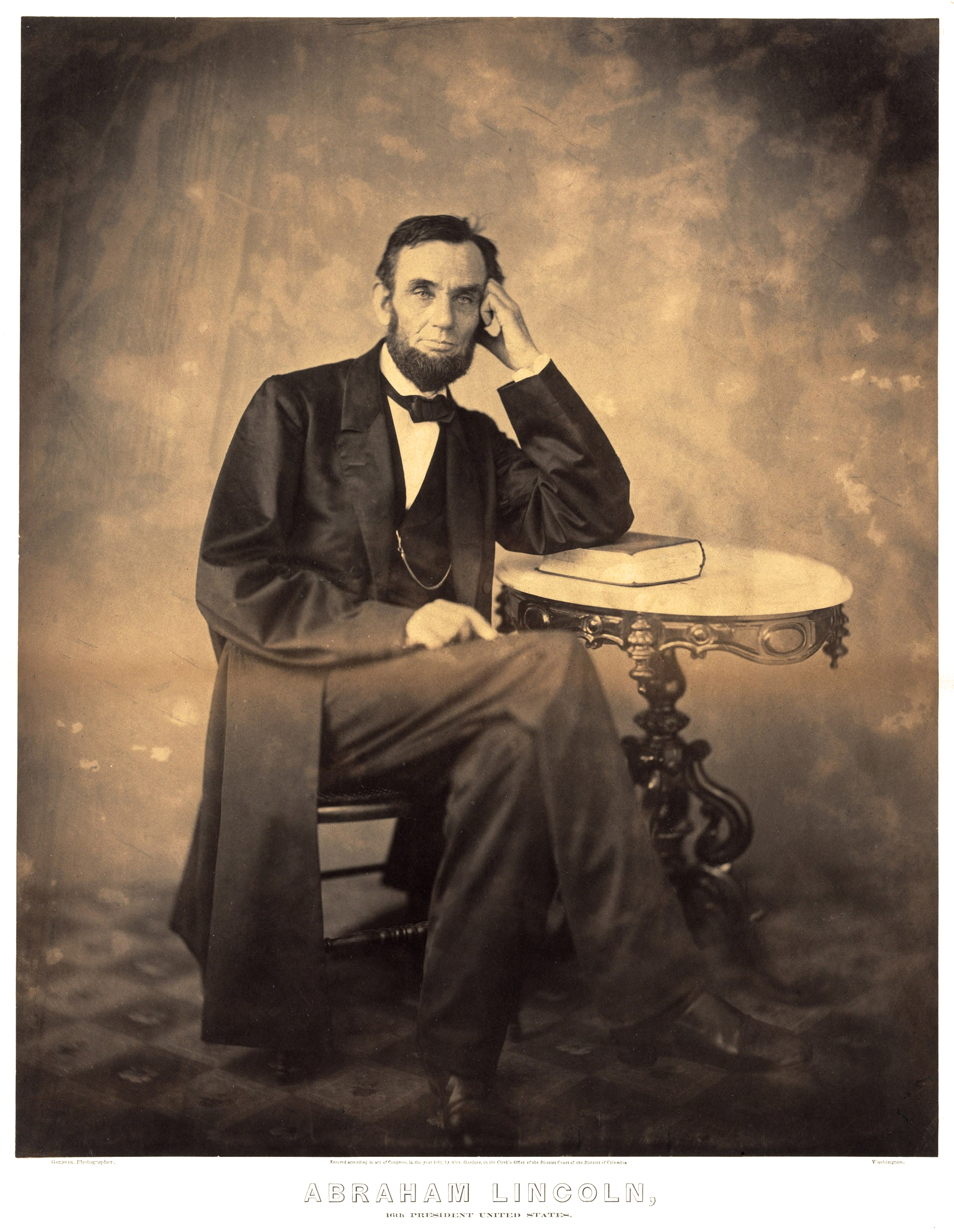
[Series note] Chapter Five of GSM's "A White House History of America" series: 1861–1877 — a four-year civil war kills some 750,000 people; it ends in emancipation, and three constitutional amendments write freedom and citizenship into the nation's fundamental law.
[Key dates]
1861 — Fort Sumter; the Civil War begins
1863 — The Emancipation Proclamation takes effect; Gettysburg
1865 — Lee surrenders; Lincoln is assassinated; the Thirteenth Amendment abolishes slavery
1868 — The Fourteenth Amendment: birthright citizenship and equal protection
1870 — The Fifteenth Amendment bars racial limits on voting
1877 — Reconstruction ends
1. The Union Breaks, the War Begins
On April 12, 1861, Confederate guns fired on the federal fort at Sumter, South Carolina, and the Civil War began. Seven states had already seceded; four more followed, while four slave states stayed with the Union.
Both sides expected a short war. The Union rout at First Bull Run in July 1861 ended that illusion.
It was the first industrial war — railroads, telegraph, ironclads and rifled weapons together — and the killing exceeded every expectation.
2. The Emancipation Proclamation
Lincoln's stated aim was always to save the Union; by the war's second year he concluded that emancipation was both a military necessity and the war's meaning. After Antietam in September 1862, he announced it in advance.
On January 1, 1863, the Emancipation Proclamation took effect, declaring freedom for the enslaved in the rebellious states — nearly four million lives in the balance. Some 179,000 Black men then served in Union blue; there was no road back for slavery.
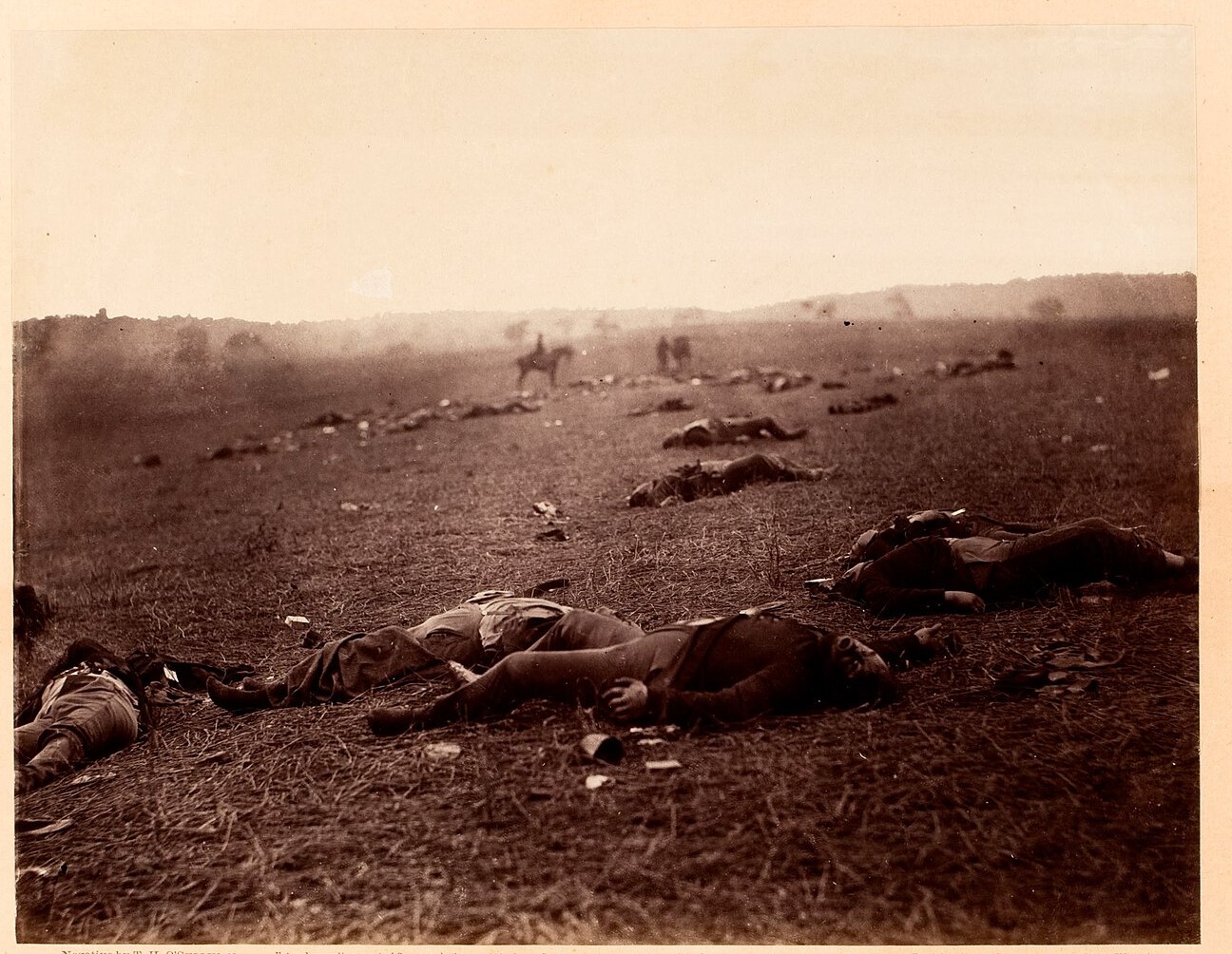
In July 1863 the three days at Gettysburg turned back Lee's invasion of the North, and Vicksburg's fall gave the Union the whole Mississippi.
3. Union Victory and Lincoln's Death
In 1864 Grant ground Lee down in a war of attrition while Sherman took Atlanta and marched to the sea. On April 9, 1865, Lee surrendered to Grant at Appomattox Court House; the war was effectively over.
Five days later, on April 14, 1865, Lincoln was assassinated at Ford's Theatre in Washington. Vice President Andrew Johnson succeeded him, and Reconstruction fell to the living amid national mourning.
The war killed between 620,000 and 750,000 soldiers — more than all other American wars combined. It answered two open questions: the Union was indivisible, and slavery was finished.
4. Reconstruction: Freedom Written into the Constitution
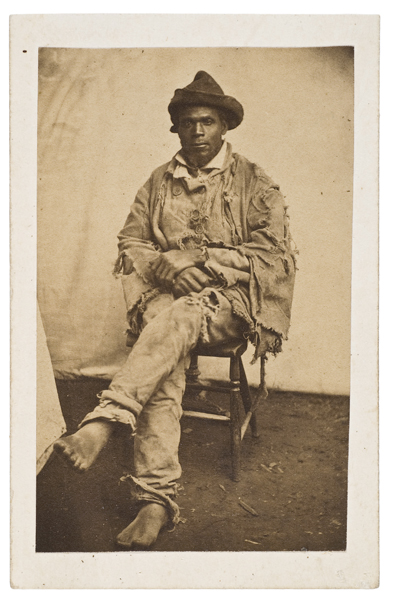
In 1865 the Thirteenth Amendment abolished slavery nationwide. The Civil Rights Act of 1866 and the Freedmen's Bureau brought schools, legal aid and support to four million newly free people.
The Fourteenth Amendment (1868) made all persons born or naturalized in the United States citizens, barring states from abridging their rights or denying equal protection of the laws. The Fifteenth (1870) forbade denying the vote on account of race or color to male citizens.
During Reconstruction some 2,000 Black Americans held public office, including sixteen members of Congress, and Southern states built their first public school systems. The backlash was violent: the Ku Klux Klan terrorized Black voters.
In 1877 federal troops withdrew from the South and Reconstruction ended. For nearly a century, "Jim Crow" laws legalized segregation — the promises written into the Constitution in this chapter would be claimed, clause by clause, only in the next century.
(Next chapter: 1870s–1920, Steel, Immigrants and Reformers.)
Source: GSM · USA (original Chinese edition)
Photo: 图:亚伯拉罕·林肯总统肖像,亚历山大·加德纳1863年11月8日摄于华盛顿——在葛底斯堡演说前10天。图片来源:史密森美国艺术博物馆/美国国家肖像馆,Wikimedia Commons(公共领域)。Abraham Lincoln, photographed by Alexander Gardner in Washington on November 8, 1863 — ten days before the Gettysburg Address. Source: Smithsonian American Art Museum / National Portrait Gallery, via Wikimedia Commons (public domain).
- 2026-10-17A White House History of America (9): A New Century — From the Internet Age to Super Intelligence, 1990s–Today
- 2026-10-17A White House History of America (8): Cold War, Civil Rights and the Moon — From the Truman Doctrine to the Fall of the Berlin Wall, 1945–1991
- 2026-10-17A White House History of America (7): World Wars and the Great Depression — From the Argonne to Normandy, 1914–1945
- 2026-10-17A White House History of America (6): Steel, Immigrants and Reformers — From the Transcontinental Railroad to Women's Suffrage, 1870s–1920
- 2026-10-17A White House History of America (5): Civil War and Reconstruction — From Fort Sumter to Three Amendments, 1861–1877This story
- 2026-10-17A White House History of America (4): Industry, Reform and Division — From Canals and Mills to the Dred Scott Case, 1815–1861
- 2026-10-17A White House History of America (3): A Republic Expands — From the First President to Manifest Destiny, 1789–1840s
- 2026-10-17A White House History of America (2): Revolution and Founding — From Tea Party Protests to the Philadelphia Convention, 1763–1789
- 2026-10-17A White House History of America (1): After Columbus — How the Thirteen Colonies Took Root, 1492–1763